
What’s new

Culture News

Dance Release Techniques: Find Freedom in Movement

Culture News

Becky G Cultural Rhythms Celebrates Diversity and Talent

Culture News

Introductory Humanities Courses: Engaging First-Year Students

Culture News

Canine Research: Insights from Harvard’s Dog Studies

Culture News

Canine Empathy Research: Insights from Harvard Scientists

Culture News

Introductory Humanities Courses to Engage First-Year Students

Culture News

AI in Photojournalism: Preserving Visual Truth and Archives

Culture News

Asian American Women’s History: Illuminate Exhibit Overview

Culture News

AI in Photojournalism: Preserving Archives and Truth

Culture News

Night Side Songs: A Unique Musical on Palliative Care

politics

technology

sports

health

other

Susan Meiselas Photography: Capturing Stories at Harvard

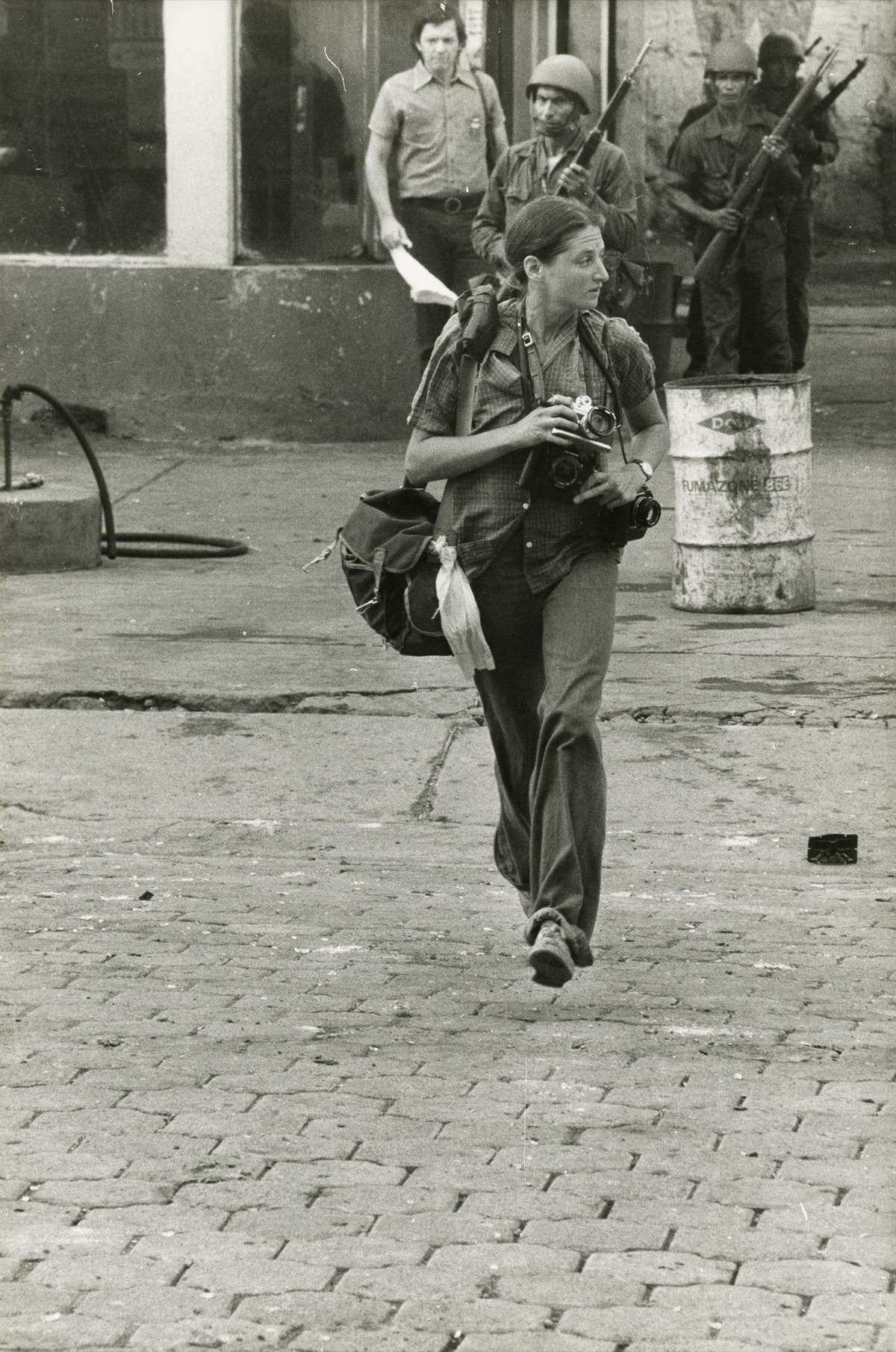
Susan Meiselas photography exemplifies the profound impact that images can have in storytelling and connection. Renowned for her documentary photography, Meiselas first captured the essence of human experience in her groundbreaking series “44 Irving Street, Cambridge, MA,” showcased at the Harvard Art Museums. This compelling collection reflects her early journey into the world of photography, where her interactions with the diverse residents of a Cambridge boarding house transformed not only her artistic vision but also her understanding of social narratives. Meiselas’s work not only speaks to the art of capturing candid moments but also emphasizes photography as a medium that fosters connection and dialogue among subjects, infusing real-life stories into every frame. By examining the intricate relationship between the individuals she photographed and the images themselves, Meiselas invites viewers to explore the depth of human experiences through her lens, making her portfolio a remarkable study in documentary photography and its potential for storytelling.

Exploring the realm of visual storytelling, Susan Meiselas’s photographic journey is a vivid testament to the connections forged through imagery. Her celebrated series, focusing on a communal boarding house in Cambridge, MA, serves as an introduction to her unique perspective on documentary photography. Through intimate portraits and personal narratives captured within the “44 Irving Street” project, Meiselas reveals how individuals express their identities and life stories through their living spaces. This approach not only encapsulates the essence of each subject’s life but also demonstrates how photography can serve as a bridge, offering insights into the intricate fabric of community and individual identity. As her work continues to inspire discussions around representation and connection, Meiselas remains a pioneering force in storytelling through images.

The Impact of Documentary Photography on Personal Storytelling

Documentary photography serves a powerful purpose: it captures moments that might otherwise fade into memory, turning them into lasting narratives. In this context, Susan Meiselas’ work exemplifies how images can convey deep personal stories and societal themes. Her series ’44 Irving Street, Cambridge, MA’ highlights not just the architectural beauty of a boarding house but also the complex lives of its residents. Through the lens of her camera, Meiselas reveals the essence of individual experiences, inviting viewers to connect emotionally with the subjects. This alignment of photography and storytelling deepens our understanding of the human condition, allowing us to explore themes of solitude, community, and personal identity through visual art.

Furthermore, the synergy between documentary photography and personal storytelling is amplified in Meiselas’ methodology. Her interactions with her subjects, where she sought their input and reflections on their portraits, illustrate a collaborative spirit that enriches the narrative depth of her work. By engaging directly with her neighbors and incorporating their thoughts—captured through letters that accompany the photos—Meiselas creates a dialogue that extends beyond the still image. This technique not only honors the subjects’ voices but also transforms the viewing experience into a participatory one, where audiences can sense the emotional layers within each photograph.

Exploring the Significance of ’44 Irving Street, Cambridge, MA’

The ’44 Irving Street’ series marked a pivotal moment in Susan Meiselas’ career, setting the foundation for her approach to documentary photography. Created during her formative years while studying at the Harvard Graduate School of Education, this project was an exploration of not just the physical space but the personal narratives woven into it. The black-and-white prints showcase the diversity of life within the boarding house, revealing how each resident’s character was expressed through their individual living environments. This intimate portrayal of shared spaces encapsulates Meiselas’ belief in photography as a means to connect, depicting the unique stories behind each door that she knocked on.

Moreover, the exhibition of ’44 Irving Street’ at the Harvard Art Museums invites viewers to reflect on the multiplicity of experiences captured in her work. The photographs, combined with the residents’ written responses, create a rich tapestry of human emotion and memory. The exhibit resonates with audiences by illustrating how personal contexts intertwined with broader societal issues, emphasizing that each photograph serves as a historical document of both individual and collective memory. Meiselas’ commitment to exploring these narratives through her lens highlights the role of documentary photography not just as art, but as a crucial tool for understanding and sharing the complexities of human experiences.

Susan Meiselas: A Pioneer of Community Engagement in Photography

Susan Meiselas stands out in the world of photography not only for her artistic vision but for her deep commitment to community engagement. Her experiences with the residents of ’44 Irving Street’ laid the groundwork for a career centered around connection and representation. Meiselas’ approach transcends traditional photography; she doesn’t simply capture images but weaves interactive narratives that harness the power of the photographic medium. This focus on collaboration showcases her belief in photography as a dialogue—a means of fostering understanding between the viewer and the subject.

Her later projects, including her work with elementary students in the South Bronx, further exemplify her dedication to community-driven storytelling. By incorporating photography into educational settings, Meiselas encourages young individuals to express their perspectives and cultural narratives. This blending of art and education reaffirms her belief that photography is a bridge, linking people to their communities and experiences. Through her work, Meiselas underscores the significance of representation in documentary photography, advocating for inclusivity and participatory practices that amplify diverse voices.

The Influence of Harvard Art Museums on Meiselas’ Work

The Harvard Art Museums have played a significant role in Susan Meiselas’ artistic journey, providing a venue for her groundbreaking work. Her early experiences in Cambridge, coupled with the rigorous academic environment at Harvard, shaped her understanding of photography as both an art form and a means of social engagement. The museums’ commitment to showcasing works that explore human experiences aligns perfectly with Meiselas’ ethos, allowing her to present her narrative-driven projects to a broader audience. Being part of this esteemed institution has undoubtedly afforded her the opportunity to reflect on her creative practice and push the boundaries of documentary photography.

Moreover, the exhibition of the ’44 Irving Street’ series at Harvard Art Museums serves as a celebration of not only Meiselas’ contributions to photography but also of the institution’s role in preserving and presenting important cultural narratives. The visibility that the museum provides enhances the significance of her work, encouraging discussions around representation, identity, and community. By situating her series within this prestigious context, Meiselas’ photography becomes a touchstone for exploring the intersection of art, education, and social commentary, enriching both the art world and the public’s understanding of documentary photography.

Interactivity in Documentary Photography: A New Paradigm

In an age where audiences seek deeper engagement with art, Susan Meiselas embraces interactivity in her documentary photography projects. Her innovative approach to involving subjects in the storytelling process transforms the static nature of photographs into dynamic narratives that invite viewer participation. By incorporating written reflections from her subjects alongside their images, Meiselas creates a layered viewing experience that enhances emotional connections. This paradigm shift towards interactive art not only piques interest but also fosters empathy, allowing viewers to grasp the personal experiences behind each image.

This emphasis on interactivity echoes broader trends in contemporary documentary photography, where the lines between observer and participant blur. Meiselas’ work encourages audiences to engage critically with the images presented to them, prompting questions about representation and the role of the photographer. By crafting a participatory framework within her exhibits, she challenges viewers to reconsider the traditional dynamics of photographic art. In doing so, Meiselas not only enriches the narrative but also elevates the discourse surrounding documentary photography, advocating for a model that prioritizes inclusivity and dialogue.

The Evolution of Photography as a Means of Connection

Photography has long been recognized as more than just a means of capturing moments; it serves as a vital connection between individuals and communities. Susan Meiselas’ exploration of this connection is vividly illustrated in her work, particularly in ’44 Irving Street.’ Through her lens, she not only documents the lives of residents but also forges relationships built on trust and vulnerability. This transformative power of photography allows both the subject and the viewer to engage in a shared experience, where the image becomes a common ground for dialogue and understanding.

As the field of documentary photography continues to evolve, artists like Meiselas are at the forefront, pushing boundaries and redefining how we think about representation and storytelling. By immersing herself in the lives of her subjects, she emphasizes the importance of human connection in her work. This approach reflects a growing awareness in the art world of the need to not only document experiences but to highlight the collaborative processes that underpin documentary photography. Through projects that focus on connectivity, Meiselas exemplifies the evolving role of photography in fostering empathy and social awareness.

Photography as a Reflection of Societal Narratives

Photography has the unique ability to encapsulate and reflect societal narratives, often serving as a mirror to the cultural landscapes that shape individual experiences. In her ’44 Irving Street’ series, Susan Meiselas harnesses this potential, not merely documenting her surroundings but revealing broader themes of belonging, identity, and community. Each image represents not just an individual but a societal thread woven into the fabric of life in Cambridge. By focusing on the intimate settings of her subjects, Meiselas highlights the diversity of human experiences that often go unseen in mainstream narratives.

Moreover, as we analyze the photographs from this series, we can discern the conversations about power dynamics and representation that are critical in today’s discourse. Meiselas’ work invites viewers to contemplate how societal constructs influence personal identity, provoking reflection on the complexities that lie beneath surface appearances. This reflective nature of her photography opens pathways for discussions about inclusion, representation, and social justice, reaffirming the vital role documentary photography plays in shaping our understanding of the world around us.

The Role of Collaboration in Susan Meiselas’ Artistic Practice

Collaboration is a cornerstone of Susan Meiselas’ artistic approach, allowing her to transcend traditional boundaries between photographer and subject. Her engagement with the residents of ’44 Irving Street’ reinforces this collaborative spirit, as she invites them to partake in the narrative creation process. By soliciting their thoughts and feelings about the photographs, Meiselas fosters a sense of agency among her subjects. This practice enriches the viewer’s experience, turning the photographs into collaborative statements rather than isolated moments frozen in time.

Meiselas’ collaborative ethos extends beyond her initial projects and into her collective works, such as her book ‘Collaboration: A Potential History of Photography.’ Through such initiatives, she advocates for a rethinking of how photography functions within societal contexts, promoting inclusivity and mutual respect. By centering collaboration in her practice, Meiselas transforms documentary photography into a shared exploration of human experience, emphasizing that it is not merely about observation but about collective storytelling and representation.

Frequently Asked Questions

What is the significance of Susan Meiselas’ photography in the context of documentary photography?

Susan Meiselas’ photography, particularly her series ’44 Irving Street, Cambridge, MA,’ plays a crucial role in the field of documentary photography by emphasizing storytelling through images. Her work illustrates how photography can serve as a means of connection and exploration of personal narratives, influencing both her career and the broader discourse on representation in art.

How did Susan Meiselas’ experience at 44 Irving Street influence her photography career?

Susan Meiselas’ experience living at 44 Irving Street sparked her interest in photography and set the foundation for her career in documentary photography. Her black-and-white portraits of her neighbors revealed the intimate stories of individual lives, highlighting the importance of personal space and social interaction in visual storytelling, which became central themes in her future works.

Where can I view Susan Meiselas’ ’44 Irving Street’ photography series?

Susan Meiselas’ ’44 Irving Street, Cambridge, MA’ photography series is currently on display at the Harvard Art Museums. This exhibition features her early work in documentary photography, showcasing the human connection and narrative that define her artistic approach.

What themes are prevalent in Susan Meiselas’ documentary photography?

In her documentary photography, Susan Meiselas explores themes of human connection, the power of representation, and the dynamics of storytelling through images. These themes are particularly evident in her ’44 Irving Street’ series, where the interactions with her subjects and their personal reflections deepen the narrative of each photograph.

How does Susan Meiselas view photography as a means of connection?

Susan Meiselas views photography as a powerful tool for connection, as demonstrated in her ’44 Irving Street’ project. By engaging with her subjects and encouraging them to express their feelings about themselves and their surroundings, she creates a dialogue that enhances the storytelling aspect of her documentary photography.

What impact has Susan Meiselas had on documentary photography?

Susan Meiselas has significantly impacted documentary photography by demonstrating the importance of personal narratives and community engagement. Her work encourages aspiring photographers to see their subjects as collaborators in storytelling, thus shifting the traditional power dynamics often found in visual representation.

How does the exhibit at Harvard Art Museums incorporate audience interaction with Susan Meiselas’ photography?

The exhibit at Harvard Art Museums featuring Susan Meiselas’ photography incorporates audience interaction by allowing viewers to access written responses from her subjects via QR codes. These personal reflections create a deeper understanding of the photographs and enhance the connection between the audience and the stories being told.

Key Points Details
Career Beginnings Susan Meiselas began her photography journey during her master’s studies at Harvard in 1971 with the ’44 Irving Street, Cambridge, MA’ series.
Influence of the Series The series is credited with shaping her career, exploring themes of personal space and connection.
Viewer Interaction Meiselas asked subjects to reflect on their feelings about their portraits, emphasizing the connection between the photographer and the subject.
Themes Explored Her work raises questions about representation and power dynamics between photographer and subjects.
Educational Impact After completing her degree, Meiselas taught photography to young students, emphasizing narrative and community.
Exhibition Duration Photographs from the ’44 Irving Street’ series are displayed at the Harvard Art Museums until April 6.

Summary

Susan Meiselas photography showcases the powerful stories behind each image, particularly illustrated in her transformative ’44 Irving Street, Cambridge, MA’ series. This project not only marked the start of her career but also highlighted the intricate human connections through shared spaces and the personal narratives of her subjects. Meiselas’ work encourages viewers to engage with the social implications of representation, making her photography resonate on both personal and societal levels.


In the thought-provoking realm of art, “Art in a State of Siege” by Joseph Koerner serves as a pivotal exploration of how creativity flourishes amidst political unrest. Drawing from the tumultuous histories encapsulated in works by Hieronymus Bosch and Max Beckmann, this book delves into the symbolic power of art as it reflects on societal chaos and human despair. Koerner’s analysis reveals how these artists, operating in periods fraught with danger, have produced works that resonate with themes of conflict, transformation, and survival. Not only does he unpack the intricate connections between these masterpieces and their historical contexts, but he also addresses how modern art enters the dialogue, offering insights into contemporary issues of siege and resistance. As readers navigate the crossroads of art and activism, Koerner emphasizes the potential for these works to act as both forewarnings and guiding lights in dark times.

“Art in a State of Siege” explores the intersection of creativity and social turmoil, revealing how historical events shape artistic expression. Joseph Koerner’s examination of significant works from artists like Max Beckmann and Hieronymus Bosch demonstrates the enduring relevance of art during periods marked by uncertainty and upheaval. Throughout history, art has served as a mirror reflecting the struggles, fears, and aspirations of society, particularly in times of political strife. By studying the resonance of these works against the backdrop of modern crises, we can uncover the vital insights they offer, making a case for the importance of art as a tool for understanding and navigating our own contemporary challenges. This analysis encourages us to consider how creative outputs not only document the past but also influence present and future societal dynamics.

The Interpretation of Hieronymus Bosch in Modern Contexts

Hieronymus Bosch’s works have often been seen through a lens of medieval morality; however, contemporary art historian Joseph Koerner suggests that these reflections resonate deeply in today’s climate of political unrest. His interpretations present Bosch not merely as a historical figure but as a relevant icon for modern anxieties, especially in periods marked by turmoil. Bosch’s vivid imagery and chaotic narratives seem to echo the complexities of today’s societal issues, revealing how art can serve as a mirror to our current experiences.

Koerner’s exploration of Bosch’s pieces, like “The Garden of Earthly Delights,” demonstrates how viewers project their fears and uncertainties onto these works. This recontextualization makes Bosch a symbolic figure for navigating the chaos of modern life, reminiscent of how past societies grappled with their own fears. In this sense, Bosch transforms from an artist of the past to a contemporary guide, highlighting the enduring relevance of his work in discussions around moral and ethical dilemmas influencing our world today.

Max Beckmann’s Bold Self-Portrait: A Response to Political Turmoil

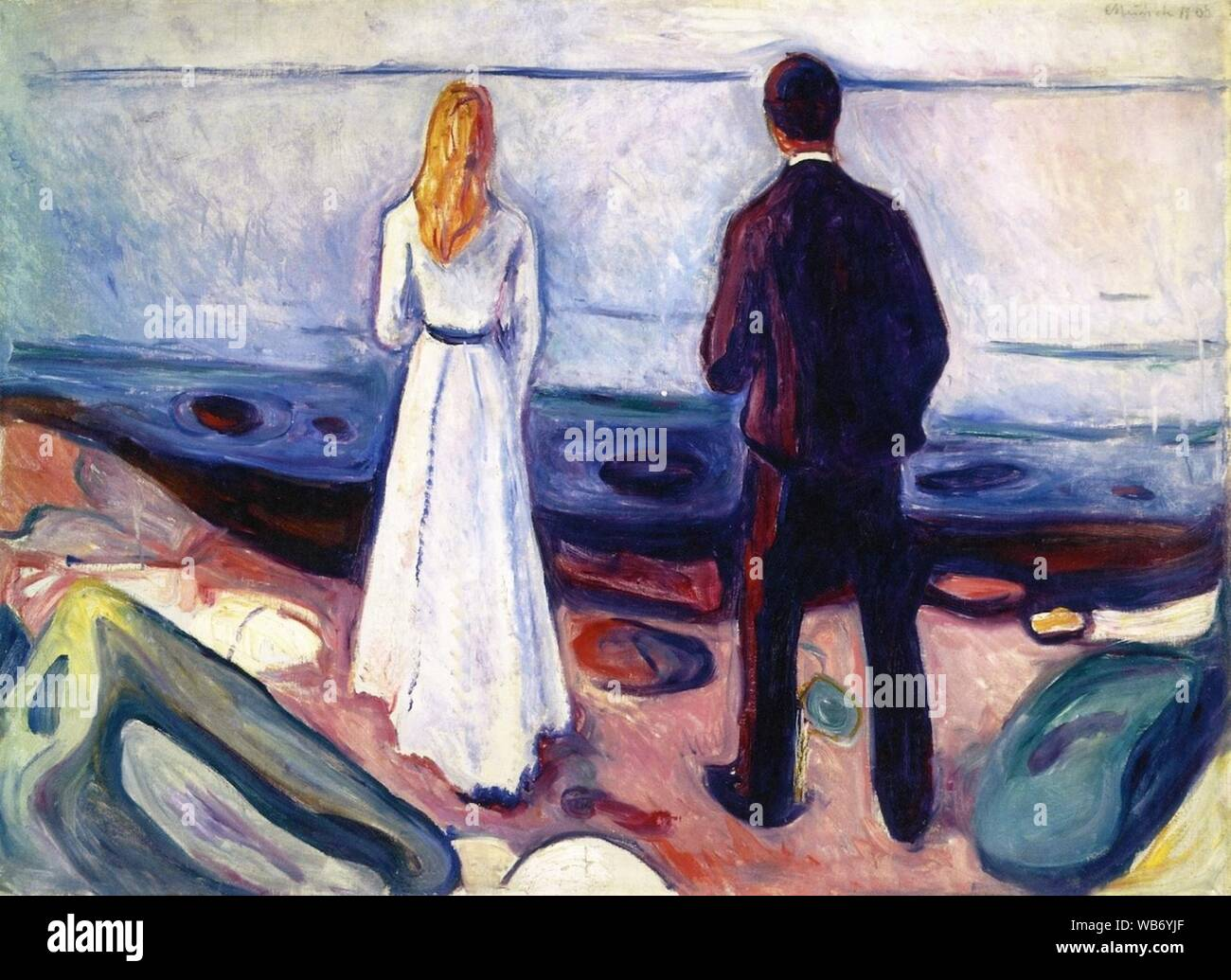
Max Beckmann’s “Self-Portrait in Tuxedo” serves as a striking reflection on the political chaos following World War I in Germany. Through his assertive gaze and composed presence, Beckmann communicates the artist’s struggle with the disintegration of societal norms. His work encapsulates a pivotal moment in which art is not just a passive expression but an active commentary on the failures of democracy and the rise of authoritarianism. The piece challenges viewers to contemplate the role of the artist amidst societal collapse, inviting a deeper examination of the power dynamics at play.

Further analysis reveals that Beckmann positioned himself as a stabilizing force, asserting that the responsibility of the artist extends beyond mere creation—he becomes an arbiter of societal discourse. This perspective resonates profoundly in a time where art was weaponized for propaganda. By acknowledging this complex interplay, we begin to understand how Beckmann’s art could serve as both a reflection and critique of its era, while also prompting contemporary viewers to engage critically with issues of political unrest today.

Art in a State of Siege: Understanding Cultural Expression During Conflict

Joseph Koerner’s book, “Art in a State of Siege,” probes the intricate relationship between art and political unrest. Through the analysis of works that emerged during periods of turmoil, Koerner illustrates how art becomes a potent symbol for societal angst and the quest for meaning amidst chaos. Art in these contexts transforms into a language of resistance and reflection, prompting audiences to confront uncomfortable truths about their own realities. By considering how artworks are informed by their socio-political environments, we can appreciate art’s role as a site of engagement during crises.

The concept of art as a response to siege conditions sheds light on the myriad ways artists interpret and react to their tumultuous surroundings. It signifies a movement away from artworks as mere aesthetic objects to vehicles of political commentary and emotional expression. This shift invites us to view art not only as an expression of personal insight but also as a collective memory that holds the potential to influence public discourse, especially in times of political discord.

Exploring the Significance of Political Context in Art History

Art history often prioritizes narratives of triumph and success, overlooking the moments of adversity that often shape great works. By focusing on the art produced during political unrest, scholars like Koerner stress the importance of understanding how conflict informs artistic expression. This perspective enriches our appreciation of art as a living dialogue that responds to the trials of humanity rather than simply celebrating victory. The complexity of creation during such periods challenges the conventional hero narrative and highlights the resilience often found in artistic innovation.

Engaging with art from tumultuous times provides invaluable insights into the human condition. Artists, through their struggles and interpretations, reflect the zeitgeist of their era—illustrating fears, hopes, and the yearning for stability. Analyzing artworks created in response to crisis fosters a richer comprehension of how culture can inform and evolve in reaction to historical events, urging audiences today to reflect on the implications of their social realities. The exploration of this theme not only preserves history but also lays the groundwork for future artistic breakthroughs in the face of adversity.

How Political Unrest Shapes Art Movements

Throughout history, periods of significant political unrest have catalyzed a range of artistic movements, shifting the landscape of cultural expression. Artists often find themselves at the forefront of societal change, using their mediums to comment on injustices and advocate for reform. In the aftermath of conflicts, artists like Beckmann have captured the fraught atmospheres of their times, illustrating the devastating impacts of civil strife while providing a voice for those grappling with the aftermath. Such movements underscore the truth that art is inextricably linked to the socio-political currents of its time.

As witnessed in Joseph Koerner’s analysis, the cyclical nature of political unrest and artistic response highlights how contemporary artists draw inspiration from their predecessors like Bosch and Beckmann. This dynamic not only informs their artistry but also establishes a continuum of expression that resonates across generations. The dialogue between past and present reinforces the profound influence of art as both a witness to and participant in societal transformation, revealing the importance of studying these connections within the broader narrative of art history.

The Role of Artists as Societal Commentators

As social commentators, artists wield significant power in shaping cultural narratives during times of strife. Their unique perspectives allow them to interpret and critique their environments, facilitating discussions that may be overlooked in mainstream discourse. Joseph Koerner’s works illustrate how artists navigate complex realities, transforming personal turmoil and societal challenges into visual narratives that provoke thought and inspire change. The role of the artist becomes one of both reflection and projection; they not only depict the world as it is but challenge audiences to envision how it could be.

Through the lens of political unrest, artists like Bosch and Beckmann emerge as essential voices in interpreting the human experience. Each work echoes with the tensions of its time, offering insight into the militancy, despair, or hope that defines a generation’s struggle. This exploration affirms the notion that art is a powerful conduit for understanding the social fabric, prompting us to reconsider the artist’s role in contemporary society as one that encompasses activism, empathy, and profound cultural insight.

The Emotional Resonance of Art in Times of Crisis

Art has a deeply emotional resonance, particularly in times of crisis. The works of artists living through distressing political climates reflect the tumult of their experiences, capturing the angst of societies facing adversity. Koerner’s investigation into these emotions reveals how art often encapsulates a collective memory, serving as a testament to human resilience. In these instances, art transcends its aesthetic qualities, becoming a vessel for trauma, hope, and renewal, showcasing the innate connection between creativity and the human experience.

This emotional depth underscores the necessity of engaging with art produced during periods of unrest. By understanding the psychological contexts from which these works arise, audiences can better appreciate the narratives that captured their creators’ struggles. Engaging with this emotional resonance not only enriches our understanding of historical circumstances but also provides a framework for contextualizing current events, reinforcing the importance of art as a dialogue across time.

Cultural Heritage and Its Reflection in Contemporary Art

Examining the intersection of cultural heritage and artistic expression illustrates the durability of artistic practices amidst changing political landscapes. Joseph Koerner emphasizes how past crises influence contemporary artists to address ongoing issues, maintaining a link between history and modern discourse. This rich tapestry of heritage invites viewers to reflect on how cultural continuity shapes responses to existential threats, showcasing the role of art as a critical agent of reflection and commentary.

Moreover, the interplay between historical and contemporary themes serves to elevate the importance of preserving cultural narratives. As current social conflicts echo those of the past, the teachings encapsulated in artworks can offer guidance in navigating modern complexities. Thus, the exploration of heritage through art becomes essential; it not only preserves the memories of those who endured prior trials but also inspires future generations to confront their realities with creativity and resolve.

Art as a Reflection of Human Experience Across Epochs

Art possesses the remarkable ability to encapsulate human experiences across epochs, offering insights into collective fears, aspirations, and historical events. The examination of works from tumultuous periods—like those discussed by Koerner—reveals how artists become chroniclers of their time, translating societal upheavals into visual language. This not only preserves history but also provides future generations with key reflections on resilience, loss, and the ongoing struggle for survival.

In contemplating art’s evolution within these contexts, we find that the emotional cores of creative work transcend temporal boundaries, ensuring that today’s audiences can still resonate with the trials illustrated by artists like Bosch and Beckmann. As we navigate our present challenges, engaging with these historical pieces becomes essential, allowing us to draw parallels and learn from the artists who bravely articulated their truths amidst adversity.

Frequently Asked Questions

How does Joseph Koerner’s ‘Art in a State of Siege’ relate to modern art?

Joseph Koerner’s ‘Art in a State of Siege’ examines how modern art, including works by Max Beckmann, reflects the turbulent political climates during which they were created. The book dissects how artworks serve as omens that resonate with audiences facing political unrest, illustrating the ongoing relevance of modern art in understanding societal crises.

What insights does ‘Art in a State of Siege’ provide about Hieronymus Bosch’s artwork?

In ‘Art in a State of Siege,’ Joseph Koerner explores Hieronymus Bosch’s works, such as ‘The Garden of Earthly Delights,’ as reflections of societal anxieties during times of political upheaval. Koerner argues that Bosch’s paintings act as mirrors for contemporary viewers, offering insights into how art can inform our understanding of chaos and order amidst ongoing political unrest.

Why is Max Beckmann’s ‘Self-Portrait in Tuxedo’ significant in the context of art during political unrest?

Max Beckmann’s ‘Self-Portrait in Tuxedo’ is significant because it was created in a period of intense political instability in post-WWI Germany. In ‘Art in a State of Siege,’ Koerner highlights how Beckmann’s bold self-portrait serves as a commentary on the role of artists as societal arbiters, reflecting the struggle to create stability amidst the chaos of political conflict.

How does ‘Art in a State of Siege’ connect political unrest to the theme of art as guidance?

‘Art in a State of Siege’ illustrates how art can offer guidance in times of political unrest by providing insights into human behavior and societal fears. Joseph Koerner analyzes how artworks, like those of Bosch and Beckmann, transcend their historical contexts to serve as sources of contemplation and understanding, echoing the call for clarity during turbulent periods.

What role does the concept of ‘the enemy’ play in Bosch’s art as discussed in ‘Art in a State of Siege’?

In ‘Art in a State of Siege,’ Joseph Koerner posits that Bosch’s art engages with various interpretations of ‘the enemy.’ His paintings suggest that the adversaries can be multifaceted—ranging from personal sins to societal threats—thereby reflecting the complexities of human experiences during times of political turmoil.

How does Joseph Koerner’s personal background influence ‘Art in a State of Siege’?

Joseph Koerner’s personal background, particularly his familial connection to artists grappling with the Holocaust, significantly shapes ‘Art in a State of Siege.’ This experience informs his examination of how art serves as a means of confronting trauma and understanding historical injustices, making the work deeply personal and relevant to the themes of political unrest.

What historical interpretations of Bosch’s works does ‘Art in a State of Siege’ address?

In ‘Art in a State of Siege,’ Koerner discusses how historical figures, including right-wing intellectuals and Nazis, misinterpreted Bosch’s works as reflections of their own fears and ideologies. This examination sheds light on the ways that art has been wielded in public discourse, particularly during periods of political unrest.

What themes of chaos are explored in ‘Art in a State of Siege’ regarding modern art?

‘Art in a State of Siege’ explores themes of chaos by analyzing how modern art, particularly in works by artists like Max Beckmann and Hieronymus Bosch, reflects the disorder and conflict experienced during political upheaval. Koerner reveals how these themes resonate with audiences and provoke contemplation about the human condition in troubled times.

How does Joseph Koerner characterize the relationship between viewers and artworks in ‘Art in a State of Siege’?

In ‘Art in a State of Siege,’ Koerner characterizes the relationship between viewers and artworks as dynamic, where art oscillates between the perilous and potentially providential. He argues that during periods of political unrest, viewers project their own experiences onto artworks, which serve as both reflections of societal fears and sources of guidance.

What is the importance of examining art created during political unrest according to ‘Art in a State of Siege’?

According to ‘Art in a State of Siege,’ examining art created during political unrest is crucial because it reveals the complexities of human experience and emotional response during crises. Koerner asserts that such art provides a more nuanced understanding of society, moving beyond triumph narratives to highlight struggles against chaos and turmoil.

Key Aspect Details
Title Art in a State of Siege
Author Joseph Koerner
Main Thesis Art serves as an omen during times of political turmoil, reflecting societal anxieties and guiding viewers through crises.
Featured Artists Hieronymus Bosch, Max Beckmann, William Kentridge
Key Works “The Garden of Earthly Delights,” “Self-Portrait in Tuxedo,” animated drawings by Kentridge
Cultural Context Explores reactions to artwork created during crises, drawing parallels to historical figures and events.
Concept of Siege Art becomes a means of survival and reflection in regimes that treat citizens as enemies.

Summary

Art in a State of Siege encapsulates a profound exploration of how art functions during periods of political unrest. Joseph Koerner’s insightful analysis reveals that artworks from turbulent times hold not just historical significance but also personal resonance for contemporary audiences. By interpreting figures such as Bosch and Beckmann, Koerner emphasizes that art transcends its era, offering guidance during crises and reflecting the complex relationship between creators and viewers in a world increasingly defined by conflict.

Chimamanda Ngozi Adichie stands as a towering figure in contemporary literature, captivating readers with her profound insights into the human condition. Her latest novel, “Dream Count,” marks a significant return after a decade-long creative journey, exploring themes of grief and creativity through the lens of four interconnected women. Adichie is celebrated not only for her compelling fiction but also for her commitment to radical honesty in storytelling, which offers a refreshing feminine perspective in literature. As she weaves intricate narratives that delve into the complexities of love and self-discovery, Adichie’s work continues to inspire both seasoned readers and aspiring writers. This novel promises to be a testament to her resilience and artistry, providing readers with a rich, evocative experience.

In the world of narrative artistry, Chimamanda Ngozi Adichie’s latest release, “Dream Count,” illustrates the delicate interplay between emotional depth and personal reflection. This remarkable work captures the essence of life’s multifaceted struggles through the eyes of its characters, blending themes of sorrow and introspection with the transformative power of fictional storytelling. Adichie’s exploration of individual journeys allows for a rich tableau of experiences, illuminating the nuances of grief and creativity while showcasing a unique feminine voice. By examining the layered lives of its protagonists, the novel invites readers to consider their own narratives and the potential paths life may take. Ultimately, this piece serves as a crucial addition to the dialogue on modern literature, highlighting the importance of authenticity and emotional richness.

Chimamanda Ngozi Adichie: A Journey Through Fiction and Grief

Chimamanda Ngozi Adichie has long been a luminary in the realm of contemporary literature, blending personal experience with broader societal themes through her storytelling. Her recent work, “Dream Count,” emerges as a profound reflection on love, loss, and the intricacies of self-discovery. Following the narrative arcs of four women, Adichie deftly explores how interconnected lives can mold one’s identity amidst the backdrop of grief. The visceral emotions stemming from her own experiences, particularly the loss of her father, infuse the characters with authenticity and depth, making their journeys all the more relatable to readers.

This latest novel also serves as a testament to Adichie’s radical honesty in writing. It pushes the boundaries of fiction as it unearths the hidden truths about human relationships and personal struggles. The interplay between grief and creativity is at the heart of “Dream Count,” showcasing how personal tragedy can lead to remarkable artistic output, ultimately enriching the narrative landscape with raw emotion. Adichie’s ability to portray complex female perspectives amidst societal challenges cements her role as a vital voice in literature, redefining how we perceive feminine experiences in both fiction and reality.

Radical Honesty in Art and Storytelling

Radical honesty, a core theme in Adichie’s writing, emphasizes authenticity over superficiality. In “Dream Count,” she invites readers into a world where characters confront their realities with unflinching truth. This unfiltered approach resonates deeply as it mirrors the struggles many face when grappling with their own identities and the lives they’ve led. By weaving together elements of fiction with personal revelations, Adichie’s narrative style opens dialogues about the complexities of self-acceptance and the courage required to express one’s truth.

Fiction, as articulated by Adichie, necessitates that authors engage with their innermost selves and reveal vulnerabilities. This process not only enriches the storytelling but also cultivates a connection with the audience. Readers are drawn to narratives that reflect genuine human emotions, making Adichie’s commitment to radical honesty a crucial factor in her widespread acclaim. Through her work, she encourages aspiring writers to embrace their own truths, portraying how our experiences shape the stories we tell and how those stories, in turn, can foster empathy and understanding.

The Role of Grief in Creative Expression

Grief acts as a catalyst for creativity in Adichie’s work, shaping her narrative approach and character development. Her experience of profound loss not only influenced the themes of “Dream Count” but also transformed her understanding of love and identity. Adichie highlights how grief can unearth buried emotions and drive artistic expression, allowing for a rebirth of creativity amidst pain. It poses the question of how our personal losses inform our artistic visions and how we can channel those experiences into compelling storytelling.

In the context of “Dream Count,” grief serves as a bridge connecting characters across disparate backgrounds, illustrating how personal tragedies can resonate universally. As the characters navigate their unique journeys through loss, readers are offered a glimpse into how grief can foster resilience and insight. Adichie captures this complexity with grace, showing that while grief can be isolating, it can also pave the way for connection and understanding among individuals striving for self-discovery.

Feminine Perspectives in Literature: Interrupting the Narrative

Adichie’s exploration of feminine perspectives in literature speaks volumes about the importance of representation in storytelling. In “Dream Count,” the intricate lives of four women are meticulously crafted, addressing the unique challenges they face in a patriarchal society. Adichie’s narratives disrupt traditional storytelling by centering women’s experiences and emphasizing their agency, thereby enriching the literary landscape. This focus on diverse female voices allows readers to engage with multifaceted characters who embody both strength and vulnerability.

This shift towards a more inclusive literary narrative encourages an examination of how feminine perspectives contribute to broader cultural dialogues. Adichie’s characters, sprinkled with their personal struggles and triumphs, resonate deeply with readers, challenging them to rethink societal norms and expectations. By placing women at the forefront of her storytelling, she underscores the significance of diverse voices in fiction, reminding us that literature thrives when it reflects the complexities of all human experiences.

Interconnected Lives: Themes in ‘Dream Count’

One of the compelling aspects of “Dream Count” is the way it intricately weaves the stories of its four main characters, highlighting how interconnected lives shape individual experiences. Chiamaka, Omelogor, Zikora, and Kadiatou each bring unique perspectives, interlacing their quests for love and self-acceptance while navigating societal pressures. This interconnectedness underscores the theme that no one exists in isolation and that our journeys are often influenced, directly or indirectly, by those around us.

Adichie masterfully illustrates how different backgrounds can converge through shared experiences of love and trauma. Readers are invited to witness how each character’s struggles deepen their connections with one another, creating a tapestry of shared humanity. This narrative strategy not only emphasizes the importance of community in personal growth but also affirms that understanding one another through our stories fosters collective healing.

The Impact of the Pandemic on Creative Writing

The backdrop of the pandemic profoundly influenced the creation of “Dream Count,” as Chimamanda Ngozi Adichie noted during her discussions about the novel. The unprecedented halt of daily life encouraged a period of introspection, compelling many, including Adichie, to explore their inner worlds. This reflective time allowed authors to rethink their creative processes, prompting them to weave in themes of isolation, longing, and reconnection into their narratives. Adichie’s insights into how the world’s stillness affected self-discovery and narrative direction resonate with many contemporary writers.

Exploring the pandemic’s psychological impact on creativity, Adichie emphasizes the need to embrace vulnerability in storytelling. Writers are pushed to revisit their motivations, leading to an authentic exploration of emotional landscapes. This reclamation of creativity amidst adversity highlights the resilience of the human spirit and signals to aspiring authors the importance of embracing change as a catalyst for growth in their writing journeys.

Fiction as a Vocation: Adichie’s Literary Calling

For Adichie, fiction transcends mere storytelling; it is a vocation imbued with purpose. During her reflections on her journey and the creation of “Dream Count,” she expressed that writing is her calling—a powerful means of expression that connects her to others. This sense of duty not only drives her creative process but also inspires readers to engage with fiction in a way that resonates personally. Adichie’s commitment to her craft illustrates the transformative power of literature, affirming that fiction can be both a sanctuary and a platform for advocacy.

Her belief that writers must be willing to explore difficult truths reinforces the notion that literature plays a pivotal role in shaping cultural narratives. Adichie’s assertion that “the whole point of it is that you have to let go” underscores the importance of surrendering to the creative process. This willingness to embrace uncertainty enables writers to craft stories that reflect the multifaceted nature of existence and encourages readers to connect deeply with the literary world.

Navigating Motherhood and Creative Identity

In her recent discussions, Adichie has candidly addressed the balance between motherhood and her literary career. With the arrival of her three children, she reflects on how the responsibilities of motherhood shape her writing life. The insights she offers reveal the intricate dance of nurturing family while striving for creative output. This duality presents unique challenges, yet Adichie views motherhood as a profound source of inspiration and growth, underscoring how personal life experiences shape one’s artistic identity.

Adichie’s acknowledgement of moments of writer’s block further cements her understanding of the ebbs and flows inherent in the creative journey. By advocating for a balanced perspective that nurtures writing alongside family life, she encourages other writers to embrace their circumstances. This integration of personal and creative identities fosters an authentic connection to one’s work and highlights the importance of adaptability in pursuing artistic ventures.

Frequently Asked Questions

What themes does Chimamanda Ngozi Adichie explore in her novel ‘Dream Count’?

In ‘Dream Count,’ Chimamanda Ngozi Adichie explores themes of love, self-discovery, grief, and the complexities of identity through the interconnected stories of four women. The novel reflects on the emotional journeys these characters undertake, revealing how personal challenges and grief shape their lives.

How does Chimamanda Ngozi Adichie’s concept of ‘radical honesty’ influence her writing?

Chimamanda Ngozi Adichie’s concept of ‘radical honesty’ plays a pivotal role in her writing process. She believes that to create genuine fiction, a writer must be willing to share deeply personal truths. This approach enriches her narratives and develops complex characters that resonate with readers.

What personal experiences influenced Chimamanda Ngozi Adichie while writing ‘Dream Count’?

While writing ‘Dream Count,’ Chimamanda Ngozi Adichie drew heavily from her personal experiences, particularly the grief following her father’s death. This profound loss prompted her to reflect on self-knowledge and the intricacies of love, themes that are woven throughout the novel.

How does ‘Dream Count’ represent a feminine perspective in literature?

In ‘Dream Count,’ Chimamanda Ngozi Adichie crafts a powerful feminine perspective by centering the lives and experiences of four diverse women. Through their stories, she addresses societal challenges, personal aspirations, and the bonds of female relationships, showcasing the richness of women’s narratives in contemporary literature.

What challenges did Chimamanda Ngozi Adichie face while writing her novel ‘Dream Count’?

Chimamanda Ngozi Adichie faced significant challenges during the writing of ‘Dream Count,’ including bouts of writer’s block and fears about completing the novel after a long hiatus. However, she used these experiences as inspiration, ultimately leading to a deeply reflective and impactful work on love and identity.

What role does fiction play in Chimamanda Ngozi Adichie’s exploration of grief and creativity?

Fiction serves as a vital tool for Chimamanda Ngozi Adichie to examine grief and creativity. In ‘Dream Count,’ she illustrates how storytelling helps process emotions, confront loss, and explore potential paths in life, allowing both the writer and readers to navigate complex feelings associated with grief.

Can you describe the narrative style of Chimamanda Ngozi Adichie’s ‘Dream Count’?

Chimamanda Ngozi Adichie’s narrative style in ‘Dream Count’ is characterized by rich, layered storytelling that interweaves the lives of multiple characters. Her prose is both engaging and introspective, blending emotional depth with vivid imagery, which captures the reader’s attention and enhances the exploration of themes such as identity and belonging.

How does Chimamanda Ngozi Adichie address societal issues in her books, particularly in ‘Dream Count’?

Chimamanda Ngozi Adichie addresses various societal issues in ‘Dream Count,’ including cultural identity, gender roles, and social mobility. Through her characters’ experiences, she reflects on the realities faced by women in contemporary society, offering poignant critiques alongside rich character development.

What can readers learn from the character development in Chimamanda Ngozi Adichie’s ‘Dream Count’?

Readers can learn about the complexities of human relationships and personal growth through Chimamanda Ngozi Adichie’s character development in ‘Dream Count.’ The interwoven stories reveal how experiences of grief, love, and personal exploration shape each character’s identity, emphasizing the importance of understanding oneself and others.

In what ways does Chimamanda Ngozi Adichie integrate her life experiences into her fiction?

Chimamanda Ngozi Adichie skillfully integrates her life experiences into her fiction by drawing on personal themes of identity, cultural heritage, and personal loss. Her lived experiences enrich her narratives, providing authenticity and depth that resonate with readers, especially in her latest novel ‘Dream Count’.

Key Point Details
Adichie’s New Novel Chimamanda Ngozi Adichie released “Dream Count,” a novel over ten years in the making.
Themes of the Novel The story follows four women on their journey through love and self-discovery amid personal hardships.
Impact of Grief Adichie’s father’s death prompted deep reflections on love, self-knowledge, and the human experience.
Radical Honesty Adichie emphasizes the importance of being open and honest in fiction writing.
Balancing Parenthood and Writing Motherhood has enriched Adichie’s life but requires balance and sometimes stepping back from writing.

Summary

Chimamanda Ngozi Adichie masterfully captures the complexities of human emotion and the intricacies of relationships in her latest work, “Dream Count.” This novel, born from her experiences and reflections, showcases her profound understanding of love and self-discovery. Adichie’s candid exploration of grief and the necessity of radical honesty resonates deeply, reaffirming her status as a vital voice in contemporary literature.

In the heart of Europe lies a unique narrative that intertwines with the concept of Black Switzerland. This relatively unexplored facet of Swiss identity sheds light on the experiences and contributions of Black culture in Switzerland, challenging the prevailing silence surrounding race and music. In his groundbreaking book, Jessie Cox delves into the complexities of being Black in a nation where such discussions are often overshadowed, offering fresh perspectives on Afrofuturism discussions and the impact of anti-Blackness in Europe. By shining a light on these dynamics, Cox not only addresses the struggles faced by Black communities but also celebrates their artistic expressions and resilience, demonstrating that Black lives indeed matter everywhere. As we explore Black Switzerland, we uncover inspiring stories and insights that are vital to understanding race relations and cultural diversity in this picturesque land.

Exploring the multifaceted nature of Black identity in Switzerland unfolds an intricate tapestry of perspectives that go beyond the common narratives. Dubbed the hidden gem of racial discourse, this topic reveals much about the experiences of African descendants within a predominantly white country. With Jessie Cox’s thoughtful analyses, we navigate through overarching themes of race and music, scrutinizing the implications of anti-Black sentiments while celebrating pioneering voices aspiring for change. The conversations ignited by this work encapsulate not just Swiss heritage but the broader implications on Black culture globally, serving as a canvas for artists, scholars, and activists alike to reimagine possibilities and forge meaningful connections.

Exploring Black Culture in Switzerland

Black culture in Switzerland often goes unnoticed, yet it plays a vital role in the country’s diverse artistic landscape. Jessie Cox, through his groundbreaking work ‘Sounds of Black Switzerland,’ delves into these dynamics, bringing to light the myriad experiences that shape the Black community in a nation where discussions around race can be elusive. His exploration encourages a broader understanding of Black identity, challenging the idea that Switzerland lacks a rich Afrocentric heritage.

Cox’s writing shines a light on artists and individuals who express their cultural identity through music and art, breaking barriers of silence. By weaving together personal anecdotes with comprehensive research, he illustrates how Black Switzerland is not a monolith but a vibrant tapestry of experiences, shaped by historical narratives and contemporary issues. This cultural exploration is essential for fostering inclusivity and understanding within Swiss society.

Afrofuturism: Redefining Black Narratives

Afrofuturism presents an innovative lens through which to reimagine the future of Black identity and culture. In ‘Sounds of Black Switzerland,’ Jessie Cox incorporates Afrofuturist concepts, emphasizing the imaginative potential rooted in Black narratives. By engaging with Afrofuturism, Cox advocates for a future where Black voices are amplified, encouraging a reevaluation of cultural spaces often dominated by Eurocentric perspectives.

Through examining various artistic expressions, including music and visual arts, Cox highlights how Afrofuturism is not just a genre but a movement that confronts the complexities of race and history. This cultural dialogue transcends borders, influencing not only Switzerland but resonating globally, thereby providing tools for Black communities to envision their roles in shaping the future.

Confronting Anti-Blackness in Europe

In his discussions, Jessie Cox tackles the nuanced topic of anti-Blackness in Europe, particularly in Switzerland. He argues that the subtleties of color-blindness can perpetuate racial erasure, thus necessitating an open discourse about race. ‘Sounds of Black Switzerland’ serves as a critical resource, providing insights into the daily realities faced by Black individuals in a society that often overlooks their struggles and contributions.

Cox’s examination extends to Switzerland’s judicial system and immigration laws, which are interwoven with questions of belonging and identity. By bringing attention to these issues, he urges readers to reflect on the systemic barriers faced by the Black community and the importance of addressing them through a framework of solidarity and unity.

Art as a Medium for Change

Art serves as a powerful medium for expressing and challenging societal norms, particularly in discussions surrounding race. Jessie Cox emphasizes this in his work, illustrating how music and other artistic forms can foster dialogue about Black life and the complexities of race. For instance, the lyrics of Swiss rapper Nativ resonate with themes of hope and change, highlighting the transformative power of art in advocating for social justice.

By integrating personal stories and contemporary music into academic discourse, Cox demonstrates how creativity can drive social change. His contributions encourage a reimagining of how Black experiences are depicted and understood, ultimately creating spaces for healing and unity within communities impacted by anti-Blackness.

The Influence of Contemporary Swiss Artists

Jessie Cox’s exploration of contemporary Swiss artists highlights the importance of recognizing diverse voices within the Swiss cultural landscape. By analyzing works from figures like Nativ, he reveals how these artists navigate their identities and use their platforms to challenge stereotypes. Their engagement in a dialogue about race shows that art can not only reflect societal issues but also serve as a catalyst for change.

Cox emphasizes the significance of these narratives, particularly for younger generations who seek to connect with their heritage and express their realities through creative outlets. By promoting the contributions of Black artists in Switzerland, he helps to cultivate a richer understanding of the nation’s cultural identity and the crucial role of Black voices within it.

Legacies of Black Thought Leaders

The legacy of Black thought leaders is fundamentally intertwined with the evolution of cultural studies in Switzerland. In ‘Sounds of Black Switzerland,’ Jessie Cox references influential figures such as Charles Uzor to illustrate how their work has paved the way for contemporary dialogues about race and identity. Recognizing these intellectual contributions helps to contextualize current discussions within a historical framework, showcasing the resilience and creativity of Black voices.

Moreover, understanding the impact of these thought leaders can empower new generations to engage critically with their cultural narratives. As Cox points out, the discourse surrounding Black identity is not static but an ongoing conversation influenced by past and present perspectives. This examination ultimately enriches the Swiss cultural landscape, promoting inclusivity and awareness.

Rethinking Race and Music

Jessie Cox’s exploration of the relationship between race and music sheds light on how cultural expressions can both reflect and challenge societal norms. In ‘Sounds of Black Switzerland,’ he engages with various musical genres that speak to the Black experience, encouraging readers to consider how music can serve as a conduit for discussing race. This rethinking of racial dialogues through the lens of music not only highlights the complexities of identity but also celebrates the richness of Black artistic contributions.

By analyzing the works of both historical and contemporary musicians, Cox illustrates how music acts as a narrative device that transcends barriers, facilitating discussions about race. This interdisciplinary approach not only makes the subject matter relatable but also invites a broader audience to engage with and reflect on the ongoing conversations about race and identity within the musical landscape.

Educating through Arts and Culture

Education plays a pivotal role in shaping perceptions about race and identity, particularly within the arts. Jessie Cox, through his teachings, emphasizes the importance of integrating discussions about Black culture and experiences into academic curricula. His course titled “Music to Re-imagine the World: From Afrofuturism to Experimental Music Across Planet Earth” showcases the potential for education to cultivate critical thinking and empathy among students.

By fostering an environment where students can confront and engage with these issues, Cox empowers them to become advocates for change in their communities. His commitment to education as a transformative tool serves as a reminder that understanding and acceptance can begin within the classroom, ultimately extending beyond to affect societal perspectives on race and identity.

Imagining New Possibilities through Art

The concept of imagining new possibilities through art is central to Jessie Cox’s philosophy. He encourages the exploration of artistic practices as spaces where innovative ideas can flourish. By viewing art as a means of imagining new worlds, Cox highlights the radical potential of creative expression to challenge existing social norms and create dialogues around race and identity.

This imaginative approach can empower artists and communities to envision futures that are inclusive and transformative. In ‘Sounds of Black Switzerland,’ Cox provides a platform for these dialogues, inviting individuals to engage with their identities and the possibilities that lie ahead. Such creative explorations are crucial for cultivating a society that values diversity and nurtures the voices of marginalized communities.

Frequently Asked Questions

What is ‘Black Switzerland’ as discussed in Jessie Cox’s book?

‘Black Switzerland’ refers to the cultural and social experiences of Black individuals in Switzerland, as explored in Jessie Cox’s book ‘Sounds of Black Switzerland.’ This work highlights the often overlooked narratives and complexities of Black life within this predominately white society, examining themes of identity, race, and artistic expression.

How does Afrofuturism relate to Black culture in Switzerland?

Afrofuturism, as addressed in Jessie Cox’s ‘Sounds of Black Switzerland,’ is significant to Black culture in Switzerland by envisioning futures that center Black experiences and perspectives. Cox incorporates discussions on Afrofuturism to broaden the understanding of Blackness and its artistic expressions in a Swiss context, providing a platform for creative and imaginative possibilities.

What challenges regarding anti-Blackness are explored in the context of Switzerland?

In ‘Sounds of Black Switzerland,’ Jessie Cox examines the roots of anti-Blackness in Switzerland, including issues of color-blindness and systemic erasure. He discusses how these factors contribute to a lack of recognition and dialogue concerning Black identities and experiences, particularly within the judicial and immigration systems.

How does Jessie Cox address music in relation to race in ‘Sounds of Black Switzerland’?

Jessie Cox addresses the intersection of race and music by analyzing works of Swiss artists and broader musical landscapes that reflect Black experiences. His book includes critiques and cultural analyses of songs that engage with themes of change and identity, showcasing how music can be a powerful medium for discussing race and societal dynamics.

What role does the judicial system play in discussions of race and Black lives in Switzerland?

In ‘Sounds of Black Switzerland,’ the judicial system is critically examined as a site where anti-Blackness can manifest, particularly through immigration laws and policing practices. Jessie Cox highlights specific cases of violence against Black individuals in Switzerland, such as that of Mike Ben Peter, to underscore how judicial narratives can perpetuate racial disparities.

What inspired Jessie Cox to write ‘Sounds of Black Switzerland’?

Jessie Cox was inspired to write ‘Sounds of Black Switzerland’ by his personal experiences growing up as a Black individual in Switzerland and a desire to foster dialogue about Black lives in a context where they are often marginalized. His academic background in music and his connections with Black artists further motivated him to explore and articulate these stories.

Key Point Description
Background of Jessie Cox Jessie Cox, a music professor and scholar, grew up in Switzerland and reflects on the representation of Black lives in the nation.
Book Overview: Sounds of Black Switzerland Cox’s book addresses the dynamics of race in Switzerland, aiming to open discourse on Black experiences and contribute to Black studies.
Themes in the Book The book includes discussions on Blackness, Afrofuturism, anti-Blackness, and the judicial system’s impact on Black lives in Switzerland.
Inspiration and Context Cox draws inspiration from Nigerian Swiss composer Charles Uzor and contextualizes Black experiences through various artistic expressions.
Focus on Possibilities While critiquing anti-Blackness, Cox emphasizes the potential for imaginative exploration in Black culture and music.
Influential Works and Artists Cox references significant works like “Farbe bekennen” and Swiss artists like rapper Nativ to illustrate Black cultural impacts.

Summary

Black Switzerland is an important discourse that sheds light on the multifaceted experiences of Black individuals in a predominantly white society. Jessie Cox’s “Sounds of Black Switzerland” serves as a crucial contribution to understanding race dynamics in the country, highlighting both the challenges faced and the creative potential within Black culture. Through thoughtful analysis and references to influential works and artists, the book opens up a space for dialogue, learning, and radical possibilities within artistic practices.

The Odyssey, one of the greatest works of Western literature, continues to captivate audiences around the world with its rich tapestry of adventure and profound themes. Homer’s Odyssey, renowned for its intricate narrative and vivid characterizations, particularly shines through the legendary figure of Odysseus. As we delve into translations of The Odyssey, the nuances brought by various translators reveal the depth of Odysseus’ character, showcasing his cunning and resilience. Moreover, the role of Penelope in The Odyssey provides a fascinating counterbalance to Odysseus, embodying loyalty and intelligence as she navigates the challenges posed by his absence. In an exclusive Greg Nagy interview, insights into the timeless relevance of these themes highlight why this epic remains a cornerstone of literary study.

The epic narrative known as The Odyssey has fascinated readers for millennia, embodying the essence of heroic storytelling and ethical dilemmas. Often referred to as Homeric poetry, this ancient text follows the tumultuous journey of its protagonist, who is a quintessential figure of cleverness and strength – Odysseus. The character dynamics within the tale, especially the strategic Penelope and the complex hero, lead to rich discussions about identity and loyalty. When examining the various adaptations and translations of this poetic masterpiece, the essence of the epic continues to evolve, making it relevant for contemporary audiences. This ongoing interest invites scholars and enthusiasts alike to explore the deeper meanings within the odyssey of Odysseus and the steadfastness of Penelope.

The Enduring Appeal of Homer’s Odyssey

Homer’s ‘Odyssey’ continues to captivate audiences around the world, an effect magnified by recent adaptations and translations that breathe new life into this ancient epic. From the innovative production at American Repertory Theater to Christopher Nolan’s forthcoming film, the story of Odysseus resonates with timeless themes of adventure, loyalty, and the quest for identity. The anticipation surrounding Daniel Mendelsohn’s fresh translation only adds to the excitement, as readers are invited to engage with the journey of the soul that ‘The Odyssey’ artfully narrates.

The themes explored in Homer’s ‘Odyssey’ are universal, transcending cultural and temporal boundaries. The profound connection between readers and Odysseus reflects human experiences such as longing, resilience, and the struggle against adversity. Scholars and laypeople alike find themselves drawn into the intricate web of personal journeys, exemplified in both Odysseus’s adventures and Penelope’s steadfastness. It is this capacity for relatability that guarantees the enduring popularity and profound impact of ‘The Odyssey’ on contemporary society.

Odysseus: The Eternal Trickster

Odysseus stands out in literature not merely as a hero but as a character who embodies contradictions. His role as a trickster, as articulated by Gregory Nagy, allows for a more nuanced interpretation of heroism. The clever ways Odysseus manipulates circumstances to his advantage enlighten readers about the grey areas of morality and ethics. This complexity makes him a compelling figure, showcasing that heroism can often be entangled with flaws and moral ambiguity.

In many ways, Odysseus’s cunning nature reflects the struggle that individuals encounter in their transformative journeys. His ability to navigate treacherous waters—whether those be literal or metaphorical—provides a framework for understanding resilience in the face of hardship. Each encounter he faces is not just a battle against foes but an internal contest of identity, self-realization, and the weight of consequence, making him an enduring symbol of the human condition.

The Wisdom of Penelope in The Odyssey

Penelope, often overshadowed by Odysseus, emerges as a complex and formidable character in Homer’s epic. Her intelligence and resourcefulness are evident as she navigates the challenges of their prolonged separation, standing firm against the suitors vying for her hand. Many scholars, including Greg Nagy, highlight her strategic thinking and emotional depth, positioning her as a figure of strength and agency—a counterpoint to Odysseus’s martial exploits. Through her unwavering loyalty, Penelope showcases the quiet power of patience and intellect.

In exploring Penelope’s dreams and her cunning responses to adversity, readers can glean insights into gender roles and expectations during Homeric times. Her ability to manipulate narratives reflects a deeper understanding of autonomy, showcasing that her story is just as central to ‘The Odyssey’ as that of her husband. The complexity of her character invites new interpretations and discussions around female perspectives in classical literature, making her a potent symbol of endurance and wit.

Translations of The Odyssey: A Rich Tapestry

The variety of translations available for ‘The Odyssey’ allows readers to engage with the text in multifaceted ways. From George Chapman’s poetic interpretations to Emily Wilson’s modern rendition, each translation brings its unique flavor to Homer’s timeless tale. The richness of these translations not only aids in the understanding of the text but also honors the intricate language and cultural context of ancient Greece. By exploring different translations, readers can appreciate how interpretation can alter the tone and accessibility of the epic.

In his interview, Greg Nagy advocates for a thoughtful approach to reading these translations, understanding the nuances and challenges inherent in conveying Homeric poetry. Choosing a favorite translation often depends on individual taste, highlighting the personal journey each reader takes with the text. As new translations continue to be published, the ongoing dialogue about ‘The Odyssey’ only deepens, allowing for fresh perspectives that remain rooted in the text’s rich historical legacy.

The Journey of the Soul in The Homeric Odyssey

Central to Homer’s ‘Odyssey’ is the theme of the journey as a metaphor for self-discovery and personal growth. As Odysseus faces myriad challenges on his path home, he encounters beings and experiences that force him to confront his own identity and values. According to Nagy, this ‘journey of the soul’ is something that transcends the physical voyage, embodying the existential quests we all undertake in our lives. Each encounter, from the seductive Sirens to the formidable Cyclops, symbolizes essential life lessons about temptation, strength, and the burdens of leadership.

Readers reflecting on Odysseus’s odyssey may find parallels in their own experiences, prompting introspection. Whether it is navigating personal dilemmas, confronting fears, or seeking forgiveness, the lessons learned through Odysseus’s trials resonate with contemporary life. Through this lens, ‘The Odyssey’ serves not only as a narrative of adventure but also as a blueprint for personal growth and resilience, inviting each reader to embark on their transformative journey inspired by this epic.

Greg Nagy: Insights on Homer and his Works

Greg Nagy, a prominent classicist, enhances the modern appreciation of Homer’s works through his insightful commentaries and interviews. He illuminates the intricate layers of ‘The Odyssey’, emphasizing how the text is not just a story of adventure but an exploration of complex character dynamics and cultural contexts. In his discussions, Nagy provides clarity on many aspects of the poem, allowing both seasoned scholars and new readers to connect with Homer’s intent and artistry.

Nagy’s passion for ancient literature invites a deeper engagement with ‘The Odyssey’ and its characters. He posits that understanding Homer begins with recognizing the historical significance of the oral tradition from which these epic tales emerged. By highlighting how the narrative evolved over centuries, Nagy supports the notion that Homer’s legacy continues to shape modern storytelling, making the ancient text relevant to contemporary audiences.

Cinematic Interpretations of The Odyssey

The impact of ‘The Odyssey’ transcends literature, finding a place in modern cinema and theater. Christopher Nolan’s forthcoming adaptation represents a significant exploration of Homeric themes through contemporary filmmaking. With Nolan’s reputation for delicate narratives infused with complexity, audiences can anticipate a reinvention of Odysseus’s tale, potentially blending the epic’s timeless elements with modern storytelling techniques. Such adaptations allow new generations to engage with these classic motifs in fresh and exciting ways.

Cinematic interpretations of ‘The Odyssey’ also provide insights into how the epic’s themes resonate with today’s societal dilemmas. Film adaptations can explore the trials of identity and heroism while reflecting modern sensibilities and challenges. This dialogue between the ancient and contemporary urges filmmakers to delve deeper into the psyche of characters like Odysseus and Penelope, ensuring the epic’s relevance remains steadfast across cultures and epochs.

Theoretical Perspectives on Odyssey’s Characters

As we delve deeper into characters within ‘The Odyssey’, it becomes crucial to analyze their roles through various theoretical lenses. Feminist theory has particularly shed light on Penelope’s strength and autonomy, prompting discussions on how her narratives contribute significantly to the unfolding of the story. Character studies that focus on Odysseus reveal a tapestry of traits that make him approachable and flawed, humanizing him despite his celebrated status as an epic hero. Each character embodies a mix of virtues and vices that complicates our interpretation of heroism.

Additionally, psychological theories can offer insights into the motivations driving characters like Odysseus and Penelope. Analyzing their choices and actions through these frameworks can enhance our understanding of their emotional and cognitive journeys. The nuances of their personalities reflect broader human experiences, particularly in how we confront adversity, make decisions, or navigate relationships. By applying these theoretical perspectives, readers can appreciate the intricacies of character portrayal while further enriching their engagement with Homer’s timeless narrative.

The Cultural Legacy of The Odyssey

The cultural legacy of ‘The Odyssey’ is monumental, influencing countless works of literature, art, and philosophy throughout history. From the Renaissance to modern times, adapters and authors have drawn inspiration from Homer’s timeless tale, reshaping it to reflect contemporary themes. This ongoing influence speaks to the universal nature of the epic’s quests and dilemmas, highlighting the permanence of its narratives. As a foundational text of Western literature, ‘The Odyssey’ has incited dialogue among thinkers and creators across disciplines, signifying its importance in cultural discourse.

In educational contexts, ‘The Odyssey’ remains a critical touchstone for discussions around narrative structure, character development, and thematic elements. Its teaching and interpretation foster critical thinking and engagement with complex texts, making it an essential part of literary curricula worldwide. As readers continue to explore this epic, ‘The Odyssey’ evolves within cultural contexts, affirming its place as not only a literary masterpiece but also a significant reflection of societal values and human experience.

Frequently Asked Questions

What are the key themes of Homer’s Odyssey?

Homer’s ‘Odyssey’ explores themes such as the hero’s journey, loyalty, the struggle for identity, and the importance of cleverness, which is embodied in the character of Odysseus. The poem emphasizes the challenges of returning home and the values of perseverance and wisdom.

Why is Odysseus considered a trickster in The Odyssey?

In ‘The Odyssey,’ Odysseus is viewed as a trickster because he cleverly navigates challenges through wit and deception. His ability to break societal norms and manipulate situations exemplifies the trickster archetype, highlighting the complexities of human morality and identity.

How does Penelope’s character contribute to the narrative of The Odyssey?

Penelope in ‘The Odyssey’ is a vital character who showcases intelligence, loyalty, and resilience. Her cunning strategies to delay remarrying reflect her depth as a character and her emotional bond with Odysseus, reinforcing themes of fidelity and the complexities of female agency.

What distinguishes Daniel Mendelsohn’s translation of The Odyssey?

Daniel Mendelsohn’s translation of ‘The Odyssey’ stands out for its poetic narrative style and fidelity to the nuances of the original Greek text. His interpretation adds freshness while honoring the epic’s complexity, attracting both new readers and longtime fans of Homer’s work.

What is Greg Nagy’s perspective on the various translations of The Odyssey?

Greg Nagy appreciates the diversity of translations of ‘The Odyssey,’ highlighting favorites like George Chapman’s and Emily Wilson’s. He emphasizes that each translator brings unique interpretations that enrich the reader’s understanding of the original themes and characters.

Key Point Details
Enduring Popularity ‘The Odyssey’ remains culturally significant, with new adaptations in theater and film.
Translations Over 100 translations exist, with notable works from George Chapman and Emily Wilson.
Character Analysis Odysseus is portrayed as a trickster hero, while Penelope showcases intelligence and loyalty.
Journey of the Soul The poem reflects a journey that readers can also embark on through its narrative.

Summary

The Odyssey continues to inspire and resonate with audiences around the world. Its rich narrative exploring themes such as adventure, heroism, and the complexities of human emotions ensures that it remains relevant to both contemporary and future readers. The powerful characters and the intricate interplay between them offer profound insights into our own lives and moral choices, securing The Odyssey’s place as a timeless classic in the realm of literature.

Science fiction books have long served as a bridge between our imagination and the realities of future technology, often exploring themes that resonate deeply with contemporary issues. From the exploration of AI in literature to the ethical dilemmas surrounding humanity and technology, these stories challenge readers to rethink their perspectives. They propose provocative scenarios, such as the potential consequences of censorship in books and how it can stifle creativity and free thought. As we delve into recommended sci-fi books, we discover not only entertainment but also profound insights into the human condition. Join us as we explore some top sci-fi novels that illuminate these themes and provoke critical discussions about our collective future.

Diving into the realm of speculative fiction, we uncover a captivating genre that allows authors to envision alternative realities and futuristic scenarios. This style of storytelling encourages readers to ponder critical issues, including the influence of artificial intelligence on society and the implications of technological advancements. Furthermore, these narratives often address the challenges posed by censorship and the struggle to maintain intellectual freedom in an increasingly distracted world. Engaging with acclaimed works in this genre reveals essential truths about the intersection of humanity and technological progress. Join us as we navigate through the fascinating landscape created by visionary authors who challenge conventional thinking.

Exploring AI Themes in Science Fiction Books

Science fiction books have long been a vehicle for examining the implications of artificial intelligence on humanity. Recommended titles like ‘Blindsight’ by Peter Watts delve into the complex relationship between humans and AI, raising questions about consciousness, self-awareness, and the future of our species. Such narratives serve as a crucial platform for discussions on AI ethics, exploring the limitations and potential dangers of imbuing machines with human-like intelligence. As technology continues to advance and AI becomes ingrained in society, these fictional explorations can provide valuable insights into our evolving relationship with our creations.

In addition to ‘Blindsight,’ other notable science fiction works such as ‘Fahrenheit 451’ by Ray Bradbury offer a critical look at the ways AI and technology can be used for control and censorship. Through Bradbury’s lens, we are reminded of the subtle yet powerful influence that technology holds over our autonomy and intellectual freedom. These books underscore the importance of critical thinking when it comes to the information we consume, making them essential reads for anyone interested in the potential of AI in our daily lives.

The Role of Censorship in Sci-Fi Literature

Censorship is a recurring theme in many recommended sci-fi novels, highlighting the struggle against oppressive forces that seek to control knowledge and free thought. Han Song’s ‘Exorcism’ is a prime example, depicting a future where the universe is plagued by a mutated disease, serving as a metaphor for the dangers of governmental censorship. The protagonist’s journey aboard the Peace Ark challenges readers to grapple with their perception of reality, advocating for the importance of questioning authority and recognizing suppressed narratives. Such themes resonate strongly in today’s political climate, where censorship manifests in subtle and overt forms.

Moreover, classics like ‘Fahrenheit 451’ emphasize that societal control over literature can lead to a broader loss of individual freedom. In Bradbury’s dystopian vision, the eradication of books and knowledge cultivates a culture of ignorance and conformity, which is further exploited by technology. As we navigate an era dominated by digital interaction, these narratives remind us of the imperative to fight against complacency and ensure that diverse perspectives are not lost in the cacophony of algorithmic content.

Humanity and Technology: A Delicate Balance

Science fiction books often explore the delicate balance between humanity and technology, questioning how far we can develop systems like AI before losing our essential human traits. Works such as ‘Solaris’ challenge readers to reflect on the true nature of intelligence and consciousness, presenting a narrative that blurs the lines between human emotion and artificial existence. As the characters grapple with inexplicable phenomena on the oceanic planet of Solaris, they are confronted with their own limitations and the haunting realization that understanding is not always achievable. This tension between human essence and technological advancement is a central theme in many top sci-fi novels.

Similarly, ‘A Rover’s Story’ invites young readers to ponder their relationship with machines and what it means to connect emotionally with an AI. As characters develop bonds with robotic entities, the story ultimately asks us to reflect on the intrinsic qualities that define humanity amidst a rapidly advancing technological landscape. These narratives provide a vital commentary on the future of human interaction, prompting important discussions about empathy, relationships, and the role of technology in our lives.

Recommendations from Influential Faculty on Sci-Fi Reads

Faculty from prestigious institutions have highlighted various science fiction books that probe deeply into contemporary themes such as AI, censorship, and the human condition. Their recommendations serve as a critical guide for anyone seeking to understand complex interactions between society and technology. For example, Karen Brennan’s selection of ‘Blindsight’ exemplifies the urgency of confronting uncomfortable truths about intelligence, while Theo Anthony’s recommendation of ‘Solaris’ offers insights into our limitations in understanding consciousness beyond human experience. These selections underscore the genre’s significance as a mirror reflecting societal concerns.

In addition, the inclusion of voices like Amy Deschenes, who champions ‘A Rover’s Story,’ and Ursula Friedman, who emphasizes Han Song’s work, showcases the diverse range of perspectives that enrich the sci-fi genre. Each recommended book not only entertains but also engages readers in crucial conversations about our future and the potential impact of technology on our lives. Engaging with these recommended sci-fi novels allows readers to explore profound ethical questions and the narrative potential of literature as it intersects with significant contemporary issues.

The Evolution of AI in Literature

The portrayal of AI in literature has evolved significantly over the decades, moving from cautionary tales to more nuanced explorations of technology’s role in society. Initially, science fiction books such as ‘Fahrenheit 451’ framed AI as a tool of oppression, depicting a future where technology suppresses individuality. However, newer works like ‘A Rover’s Story’ take a more optimistic view, showcasing the potential for companionship and understanding between humans and machines. This shift mirrors societal attitudes toward technology, where fear gives way to a budding realization that AI can enrich our human experiences.

As we continue to integrate advanced technologies into our daily lives, the exploration of AI in literature remains a crucial discourse. Contemporary novels not only highlight our aspirations but often serve as cautionary tales about the paths we choose. By understanding these narratives, readers can better engage with the ethical dilemmas posed by emerging technologies, helping us navigate the fine line between humanity and the increasingly present world of artificial intelligence.

Top Sci-Fi Novels That Reflect Current Societal Issues

Several top sci-fi novels have garnered attention for their ability to reflect and critique contemporary societal issues. For instance, Bradbury’s ‘Fahrenheit 451’ serves as a powerful allegory about censorship, warning against the dangers of passivity in the face of overwhelming technology. The themes of distraction and suppression found in the novel resonate starkly with today’s digital landscape, reminding readers of the importance of intellectual freedom and critical engagement.

Additionally, works like ‘Exorcism’ by Han Song confront the complexities of governmental control and the human experience amidst chaos. As stories like these continue to emerge, they provide a valuable lens through which to examine the potent interplay between literature, technology, and social dynamics. Recommended sci-fi novels thus serve not only as entertainment but also as critical reflections of the world we inhabit, encouraging readers to confront and engage with the pressing issues of our time.

The Intersection of Emotion and Artificial Intelligence in Literature

Exploring the emotional connections between humans and artificial intelligence is a compelling theme in various recommended sci-fi books. In ‘A Rover’s Story,’ the relationship between the human characters and the rover encapsulates the profound impact that technology can have on our emotional lives. As the narrative unfolds, it illustrates how machines can evoke feelings of empathy and companionship, challenging the perception of what it means to form a bond. These representations push the boundaries of understanding AI, inviting readers to explore the emotional depths that such interactions can entail.

Moreover, novels like ‘Solaris’ reveal the complexities of human emotions when faced with the unknown. The haunting interactions between scientists and the planet’s peculiar intelligent ocean showcase how technology intersects with deep-seated feelings of loss, regret, and understanding. Through these narratives, readers are urged to reevaluate the importance of emotional intelligence in a world increasingly adopted by technology. Authors of these sci-fi masterpieces masterfully depict how the heart remains central to the human experience, even as we invite AI into our lives.

Future Trends in Science Fiction Literature

As we look towards the future, science fiction literature is poised to take on even more complex and diverse themes. Anticipating the impact of rapidly advancing technologies, upcoming works are likely to grapple with issues such as genetic engineering, advanced AI, and the ethical implications of space exploration. Themes surrounding humanity and technology will continue to evolve, pushing authors to examine how sociopolitical dynamics influence our relationship with innovation. This adaptability ensures that science fiction remains relevant and impactful.

Moreover, the rise of independent and diverse voices in the genre is expected to contribute to a richer exploration of themes related to identity, cultural narrative, and ecological sustainability. As authors tackle varying perspectives on AI and societal issues, readers can look forward to a tapestry of narratives that reflect the multifaceted experiences of modern life. The evolution of science fiction literature as it adapts to contemporary challenges emphasizes its role not just as a form of entertainment, but as a crucial commentary on our times.

Frequently Asked Questions

What are some recommended sci-fi books that explore AI in literature?

Some highly recommended sci-fi books that delve into artificial intelligence include ‘Blindsight’ by Peter Watts, which challenges our assumptions about consciousness and AI, and ‘Fahrenheit 451’ by Ray Bradbury, which critiques censorship and the implications of technology on human thought and learning.

How do top sci-fi novels address the theme of humanity and technology?

Top sci-fi novels like ‘Solaris’ by Stanislaw Lem and ‘Exorcism’ by Han Song tackle the complex relationship between humanity and technology. They explore questions of understanding and communication in the context of advanced AI and technological advancements, highlighting both the potential and the existential challenges they present.

What does ‘Fahrenheit 451’ reveal about censorship in books?

‘Fahrenheit 451’ by Ray Bradbury serves as a powerful commentary on censorship, depicting a future where books are banned and critical thinking is replaced by mindless entertainment. It illustrates the consequences of suppressing knowledge and the importance of protecting intellectual freedom, especially in the age of AI.

Which science fiction books are essential for understanding the implications of AI on society?

For a deeper understanding of AI’s implications on society, ‘Blindsight’ by Peter Watts highlights existential risks related to consciousness in AI, while ‘A Rover’s Story’ by Jasmine Warga presents a unique perspective on human emotions and relationships through the lens of a Mars rover.

How do recommended sci-fi books inform our understanding of future technological challenges?

Recommended sci-fi books like ‘Blindsight,’ ‘Solaris,’ and ‘Exorcism’ provide valuable insights into future technological challenges, offering unique narratives that invite readers to reflect on ethical dilemmas and the evolving relationship between humans and machines.

Title Author Key Themes
Blindsight Peter Watts Exploration of AI and consciousness; questioning the essence of human intelligence.
Solaris Stanislaw Lem Limits of understanding; encounters with alien intelligence and humility before the unknown.
A Rover’s Story Jasmine Warga Human-machine relationships; emotional connections amidst evolving AI.
Exorcism Han Song Censorship and human narrative culture; questioning reality versus authority.
Fahrenheit 451 Ray Bradbury Censorship and information control; critique of technology’s impact on knowledge and critical thinking.

Summary

Science fiction books explore complex themes that resonate deeply with contemporary issues, such as artificial intelligence, censorship, and the human condition. The genre invites readers to reflect on our relationship with technology and the implications of its advancements. From the thought-provoking narratives of consciousness in ‘Blindsight’ to the haunting reflections in ‘Fahrenheit 451,’ these recommended titles from Harvard faculty shed light on the urgent dilemmas we face in a rapidly changing world. They not only entertain but also challenge us to engage critically with the future we are shaping.

Reading like a translator is not just a skill but an art, intertwining the complex threads of language with the nuances of meaning. Acclaimed translator Damion Searls emphasizes that effective translation involves a deep reading experience, one that is informed by the structure and intricacies of the source language. This approach resonates with key translation techniques that highlight the importance of understanding an author’s intent and style, which is foundational in literary translation. In Searls’ philosophy of translation, he encourages aspiring translators to embrace the unique linguistic resources available in both languages, acknowledging that every choice made in translation shapes the story’s essence. By engaging in activities like translation workshops, learners can discover how the delicate balance of reading and writing informs a translator’s journey, ultimately broadening their understanding of the written word.

To engage with the concept of approaching text through the lens of a translator, one can consider it as reading with an expert’s eye, where every word holds weight and every phrase paints a picture. The act of interpreting foreign literature demands a meticulous examination of sentence structure and cultural context, coupling the experience of comprehension with skills akin to those found in creative writing. Translators must navigate this intricate dance with language, often employing alternative words that resonate with the target audience while preserving the original message. This dual perspective enriches the reading experience, leading to an appreciation for the cultural intricacies embedded within texts. By conceptualizing translation as both an intellectual and artistic endeavor, readers can enhance their connection to literature across linguistic boundaries.

Understanding Translation Techniques

Translation techniques involve various methods translators use to convey a text’s meaning from one language to another. These can range from word-for-word translations to more interpretative strategies that aim to capture the essence of the original work. Damion Searls emphasizes that translating is not merely about replacing words but about interpreting and relaying the author’s intentions and style to a new audience. This perspective is critical for achieving not just accuracy but also resonance with readers who consume literature across cultural lines.

One important aspect of translation techniques is recognizing language structures and idiomatic expressions that can’t be directly translated. For example, Searls points out how certain constructions in German might not exist in English but are crucial for preserving the author’s voice. By focusing on these nuances, translators can make creative decisions that enhance the reading experience while staying true to the original text. The balance between fidelity to the source material and readability in the target language is a skill developed through ongoing practice and engagement with both languages.

Exploring the Philosophy of Translation

The philosophy of translation delves into understanding the underlying principles of how we interpret and communicate across languages. Damion Searls refers to Maurice Merleau-Ponty’s ideas to explain the intrinsic connection between language and perception, arguing that translation is a deeply engaging process that reflects our experience with the world. This philosophical perspective invites translators to consider how meaning is constructed and understood, not just in linguistic terms but also in cultural and contextual frameworks.

In Searls’ discussions, the philosophy of translation becomes a platform to examine how translators like him engage deeply with the text. Searls believes that translation isn’t merely a mechanical task but a form of art that requires intuition and sensory awareness. By unpacking the layers of meaning within texts, translators enhance their interpretative skills and bring forward the unique voice of the original author, thereby enriching the literary tapestry of the target language.

Reading Like a Translator: A Unique Skillset

Reading like a translator means approaching texts with an analytical eye, focusing on structure and subtleties that might elude casual readers. Searls articulates that this technique requires an understanding of how different languages convey ideas and emotions, encouraging translators to look beyond the mere words to grasp the full intent of the original message. This practice emphasizes the importance of recognizing which elements can be adapted in translation and which must be preserved to maintain the author’s original vision.

This distinctive reading approach fosters a deeper connection to the text, enabling translators to make informed choices while crafting their version of the work. For Searls, this process is akin to a dialogue with the author, where each decision reflects a balance between the source language and the target audience’s expectations. By embracing this perspective, translators sharpen their skills and contribute to the evolution of literary translation, creating works that resonate with diverse readers while honoring the source material.

The Role of Literary Translation Workshops

Literary translation workshops play an essential role in developing the skills necessary for effective translation. In his recent workshop, Searls guided Ph.D. students through the intricacies of translating complex texts, emphasizing the importance of peer feedback in refining their approach. These workshops create a collaborative environment where emerging translators can share insights, discuss challenges, and explore various techniques, ultimately enhancing their understanding of the translation process.

Participating in a translation workshop allows for direct engagement with both the source and target texts, encouraging students to practice reading like a translator. Through guided exercises and constructive criticism, participants learn to navigate the nuances of language, discover new strategies for tackling difficult passages, and appreciate the artistry involved in creating a good translation. Such experiences foster growth and experimentation, making them crucial for anyone aspiring to delve into the field of literary translation.

Creating Effective Translations through Reader Engagement

An effective translation transcends mere word-for-word substitution; it must engage the target reader while remaining faithful to the original work. Searls emphasizes the importance of understanding the audience’s perceptions and cultural context when crafting translations. He argues that successful translators think critically about how to evoke similar emotions and reactions as those experienced by readers of the source text, thereby preserving the author’s voice and intention.

For instance, Searls’ translation of Uwe Johnson’s “Anniversaries” required him to consider specific linguistic choices that reflect the author’s style. By identifying crucial structural elements that inform the narrative’s flow, he was able to create an English version that resonated with readers, maintaining the integrity of the original work while embracing the expectations of English-speaking audiences. This delicate balancing act requires deep empathy and a nuanced understanding of both languages and their respective cultures.

Challenges in Translating Cultural References

Translating cultural references presents unique challenges that often require creative solutions. Searls discusses how certain terms, phrases, or concepts may not have direct equivalents in English, forcing translators to navigate between cultural fidelity and reader accessibility. When translating Fosse’s “Septology I-VII,” Searls encountered references that required research and dialogue with the author to uncover their significance and cultural implications, revealing how deeply intertwined translation is with cultural understanding.

In this context, Searls highlights the importance of crafting translations that evoke similar associations for readers in both languages. In his case, choosing to replace “Gula Tidend” with “The Northern Herald” not only kept the narrative flowing but also tapped into historical connotations that enrich the reading experience. Such decisions illustrate the translator’s role as a cultural intermediary, bridging gaps between languages while offering insights into the context that shaped the original work.

Intuitive Approaches to Translation

Searls describes his translation process as intuitive, emphasizing the organic nature of crafting translations. Often, he allows himself to write first drafts without extensively referring back to the source material. This method allows him to immerse himself in the text and derive the essence of the author’s message early on. The natural flow of this approach highlights how intuition can guide translators in making informed choices that align with the intended emotive quality of the writing.

An intuitive translation process ultimately contributes to a translation that feels coherent and genuine to readers. As Searls revises his drafts, he focuses on how they align with the expectations of English speakers while ensuring that the author’s vision isn’t lost. This balance between instinctual and analytical approaches illustrates the complexity inherent in the art of translation, where translators must continually adapt their strategies based on the text and their developing understanding of it.

Revising and Polishing Translations for Clarity

The process of revision is crucial in transforming a rough translation into a polished final product. Searls emphasizes the importance of revisiting drafts to refine language, clarify meaning, and enhance the overall flow of the text. This stage of translation drafting allows translators to assess whether their version captures both the content and the emotional resonance of the original work, ensuring that the final product engages the reader effectively.

Through careful revision, translators address potential ambiguities and ensure that the adaptation maintains fidelity to the author’s style. Searls’ methodology often involves reading his translations aloud to identify awkward phrasing or inconsistencies. This practice underscores the necessity for translators to treat their work as a living document, continually evolving through feedback and self-critique until it achieves the desired impact in the target language.

The Role of Expertise in Translation

While linguistic mastery of the source language is important, Searls discusses how being a skilled translator extends beyond simply knowing the language. He advocates for a more nuanced understanding of what constitutes expertise in translation, emphasizing that life experiences, cultural insights, and even academic backgrounds can all inform a translator’s approach. This view encourages aspiring translators to explore their unique perspectives and not feel limited by conventional definitions of who can translate.

Searls’ assertion that proficiency comes from passion and practice reflects a broader philosophy that values diverse voices in translation. This inclusiveness can lead to innovative translations that challenge traditional norms while offering fresh interpretations of classic literature. By fostering an environment where various backgrounds and skills are appreciated, the field of literary translation can continue to evolve and thrive.

Frequently Asked Questions

What does it mean to read like a translator?

Reading like a translator involves a deep engagement with the text, analyzing linguistic structures and nuances that inform the translated version. This process is not just about understanding words but also about interpreting the author’s intent and style, allowing for a faithful representation of the original text in another language.

How can translation techniques improve my reading skills?

Translation techniques cultivate a close reading approach that enhances your understanding of sentence structures, idioms, and stylistic choices in both the source and target languages. By applying these techniques, you can become more adept at noticing subtle details in texts, which enriches your overall reading experience.

What insights does Damion Searls provide in his philosophy of translation?

Damion Searls emphasizes that translation is a blend of reading and writing, where understanding the original’s nuances is crucial for delivering an authentic version in English. His philosophy suggests that recognizing the ‘living bond’ between language and meaning is key to producing impactful translations, as illustrated through practical examples from his own work.

How does participation in a translation workshop enhance my skills in reading like a translator?

Engaging in a translation workshop, such as those led by Damion Searls, provides hands-on experience in applying translation techniques. These workshops encourage collaboration and feedback, helping participants to refine their reading skills and understand the intricate relationship between language and meaning, which is essential for effective literary translation.

What role does sentence structure play in reading like a translator?

Sentence structure is crucial when reading like a translator, as it helps in identifying which elements can be retained or altered in translation. Understanding structural choices—such as those indicating style or tone—allows translators to maintain the essence of the original text while making it accessible to an English-speaking audience.

What strategies can I use to develop a deeper reading experience for translation?

To enhance your reading experience for translation, practice slow and careful reading of the source text. Take notes on important linguistic choices and consider the author’s unique style. Engaging in discussions with other translators and seeking feedback will also deepen your understanding and improve your ability to read like a translator.

Why is there no perfect translation in literary translation?

There is no perfect translation because each translation represents a subjective interpretation influenced by the translator’s reading experience. Just as readers visualize characters in different ways, translators must make choices about language that reflect their understanding of the text, leading to multiple valid interpretations.

How can understanding a language’s cultural context improve my reading like a translator?

Understanding a language’s cultural context is vital as it informs the meaning behind expressions, idioms, and references within the text. This cultural awareness allows translators to convey more than just words; it enables them to capture the emotional and contextual nuances that resonate with the target audience.

Key Aspect Details
Translation as Interpretation Translators create a version of the text shaped by their reading experience, not just a word-for-word translation.
Philosophy of Translation Searls draws from Merleau-Ponty to explain the connection between translators and the language they encounter.
Reading Experience Close reading is crucial in understanding how to replicate an author’s style and intent in translation.
Process of Translation Searls emphasized intuitive revisions and the importance of maintaining flow in the translated text.
Cultural Nuances Translators must account for cultural references and their impact on the original text’s meaning.
Expertise in Translation Mastery of the source language is not solely required; different types of expertise can contribute to effective translation.

Summary

Reading like a translator involves an intricate blend of interpretation and linguistic skill, where the essence of the original text is preserved while adapting it for a new audience. Damion Searls illustrates that translation is more than a mechanical task; it is a deeply interpretive act that requires an understanding of cultural nuances and linguistic intricacies. By engaging closely with the source material and using intuition in the writing process, a translator can produce a version that resonates with readers, capturing the original intent and style.

Grieving Tony Horwitz brings to light the profound and disorienting journey of loss that Geraldine Brooks navigates after losing her husband unexpectedly. As she grapples with the overwhelming reality of his absence, her experiences echo the sentiments many face during tough times of bereavement. Central to her narrative are themes of Memorial Day loss, a time meant for honoring those who have passed, which only deepens her sorrow. Through her poignant reflections, Brooks captures the essence of coping with bereavement and the intricate path toward finding closure after loss. Her poignant exploration invites readers to connect, allowing a shared understanding of what life is like after losing a spouse, and the complexities of grief itself.

Exploring the heart-wrenching narrative of loss and the emotional aftermath, Brooks’ work resonates with anyone who has faced the challenge of overcoming grief. In her account, she skillfully chronicles the chaotic feelings that arise following a tragic event, akin to what many endure during significant holidays dedicated to remembrance. The piece delves into the multi-faceted nature of mourning, highlighting the process of healing and the often hidden struggle of individuals striving to piece their lives back together after a loved one’s departure. Furthermore, it addresses the idea that finding solace after such a personal tragedy requires not just time, but a deep engagement with one’s feelings amidst the void left behind. Ultimately, Brooks’ story serves as a testament to the universal experience of navigating life in the wake of untimely and heartbreaking loss.

Understanding Grief: The Journey After Losing a Loved One

Grief is a powerful emotion that can leave individuals feeling disoriented and lost. The sudden death of a loved one often brings about a whirlwind of feelings such as shock, anger, and deep sadness. For Geraldine Brooks, the loss of her husband Tony Horwitz transformed her everyday existence into a realm of unrecognizable pain. As she conveys in her reflections, the news of his passing shattered her reality, prompting an urgent need to confront the rawness of her grief. In moments of heart-rending loss, individuals often find solace in shared experiences of bereavement, as it reminds them that they are not alone in their suffering.

Coping with bereavement is often laden with societal expectations, almost pressuring us to move on quickly. Yet, every person’s journey through grief is uniquely personal and requires time and space to process. Brooks emphasizes her need to allow herself to feel deeply, stepping away from the unrelenting demands of normalcy. The importance of recognizing the intensity of one’s feelings cannot be understated, as genuine acknowledgment of grief can pave the way to healing.

Moreover, mourning is not merely an act of sadness; it can also serve as a profound tribute to love. In her memoir, Brooks eloquently expresses how grief honors what was lost, echoing the sentiment of Martín Prechtel who stated that grief is a form of praise. This perspective can shift the lens through which we view our sorrow, illuminating a pathway through which individuals can find comfort in memories while navigating the tumultuous waters of loss. Understanding that grief is a natural part of life provides an essential foundation for coping with such significant life changes.

Geraldine Brooks and the Impact of Memorial Day Loss

Memorial Day, a time when we commemorate those we’ve lost, took on a deeply personal meaning for Geraldine Brooks after the death of her husband Tony Horwitz. The irony of losing her spouse on a holiday dedicated to honor the dead intensified her experience of grief. As Brooks reflects on this poignant irony, the day morphs from a national observance of loss into a personal narrative of her own heartache. It reminds us how loss intertwines itself into the fabric of our lives, altering our perceptions of time and memory.

For many, such as Brooks, Memorial Day becomes a day of reflection not only on the sacrifices made by others but also as a moment to confront one’s intimate pain. She used her journey to Flinders Island as a form of personal memorial, creating space to honor Tony through her grief. Capturing memories of a life together, Brooks finds comfort in the act of remembrance, suggesting that while the physical presence of a loved one may fade, the memories and impact they leave behind resonate eternally.

In sharing her experience, Brooks taps into broader themes of loss intertwined with cultural practices. Memorial Day serves as a collective reminder for those grieving to not merely bury their feelings but to explore and express them. This exploration is vital in the journey towards finding closure after loss. By allowing herself the grace to grieve deeply, Brooks exemplifies the importance of recognizing and honoring her emotions during these pivotal moments in life. Her journey can inspire others to embrace their own paths through grief and understand that healing takes time, with each day presenting a new opportunity to find peace.

Coping with Bereavement: Steps Towards Healing

Coping with bereavement is a highly individualized process that can often feel daunting. For those like Geraldine Brooks, who have experienced sudden loss, it’s crucial to understand that healing takes place in different stages. One effective step towards coping is allowing oneself to grieve openly, which Brooks emphasizes in her journey. This raw expression of emotion can catalyze the healing process, leading to acceptance and ultimately, closure with time. For many, talking about their loved ones and sharing their memories can serve as an essential part of this process, connecting them to both loss and love.

Moreover, seeking out support from friends, family, or support groups can provide essential comfort. Connecting with others who have experienced similar losses can foster a sense of understanding and community. Geraldine Brooks’ reflections remind us that reaching out for help is not a sign of weakness but rather a powerful step towards coping with sorrow. Engaging with others allows individuals to share their experiences and perhaps find glimpses of hope amidst their grief.

Additionally, developing new traditions or rituals can also play a crucial role in navigating the pain. For Brooks, creating memorial days becomes an act of remembrance that honors her husband while allowing space for her heartache. Such rituals can bring solace and encourage individuals to remain engaged with their memories. Activities like crafting memory books, planting trees, or simply cherishing favorite moments together can be healing. They offer a way to keep the spirit of the deceased alive. Ultimately, the path through grief is one that is paved with love, patience, and the understanding that each person’s journey is valid and necessary.

Finding Closure After Loss: Embracing New Beginnings

The path to finding closure after loss can often feel elusive and complicated. For Geraldine Brooks, the world post-Tony’s death felt like an unending performance of normalcy that masked her true feelings of grief. Her quote about being trapped in a role resonates with many who struggle with the balance between their public personas and private anguish. Finding closure requires confronting the emotional aftermath of loss, and this often necessitates stepping outside the bounds of societal expectations. Through honest self-reflection and acceptance of her grief, Brooks illustrates a powerful narrative of allowing pain to coexist with fond memories.

It’s important to recognize that closure doesn’t signify a complete end to grief, but rather a transformation of how one carries it into the future. As individuals start to embrace their lost loved one’s legacy—through stories, traditions, or even annual reflections—they can find a way to integrate their memories into their daily lives. Brooks’ journey serves as a testament to the ongoing nature of love, suggesting that while physical loss may create a void, the bonds formed are indelible.

Additionally, beginning anew may involve creating new dreams and experiences that honor the past while embracing the present. Brooks’ journey to Flinders Island symbolizes a deliberate choice to seek solace in nature, prompting a profound awakening within herself. By taking steps toward new beginnings, individuals can learn to navigate the duality of grief and hope. The notion of creating new paths can evoke feelings of empowerment as one recognizes that life continues, albeit in a different form. Each small step taken in honoring those who have passed can lead towards finding a renewed sense of purpose and fulfillment.

Life After Losing a Spouse: The Emotional Landscape

Life after losing a spouse can feel like sailing in uncharted waters. For Geraldine Brooks, the sudden passing of Tony Horwitz not only altered her day-to-day existence but also reshaped her identity. The journey through widowhood often entails grappling with new realities and redefining what it means to be alone. Brooks illustrates this idea poignantly; she describes an ongoing performance in her public life, where she masks her turmoil under the guise of normalcy. This reflects a broader struggle faced by many—a tension between the need for societal acceptance and the reality of one’s grief.

It can be pivotal for individuals navigating such a profound loss to allow themselves moments to reflect, learn, and adapt. Finding new hobbies, engaging in community activities, and intentionally seeking out social support can foster resilience and healing. Each person’s emotional landscape after such hardship is unique, yet shared experiences can help create bonds that promote healing from the loss of a spouse.

Moreover, embracing change can often be a critical component in the journey forward. Brooks’ narrative reveals not just the pain but also the profound love that she shared with Tony, reminding readers to cherish those memories while embarking on new adventures. Accepting that it’s okay to feel joy alongside grief can help facilitate a more holistic recovery process. Living intentionally, embracing the present, and forming new relationships can be incredibly healing as one attempts to piece together their life after loss. Gerladine Brooks’ reflections illuminate the potential for renewal amidst sorrow, underscoring the resilience of the human spirit.

The Healing Power of Nature: A Retreat for Grief

Nature has an incredible ability to heal, offering solace during times of sorrow. Geraldine Brooks found herself drawn to Flinders Island after the loss of her husband, recognizing the need to retreat into natural surroundings to confront her grief. Immersing herself in the tranquility of nature allowed her moments of silence to reflect and process her emotions, serving as a backdrop to her healing journey. The calming effect of nature can often provide spaces for introspection, allowing individuals to connect with their feelings in a profound way.

Furthermore, many people find that walking in natural settings, gardening, or simply being present outdoors can evoke healing, often leading to a sense of peace amidst the chaos of grief. Brooks’ journey exemplifies this connection, as she turned to the island not just as a getaway but as a sanctuary for her heartache. Engaging with nature can remind individuals of the beauty that still exists, facilitating a balance between honor and moving forward.

Additionally, nature can elicit memories that help preserve the legacies of loved ones. Brooks describes how being in a place that once felt foreign before her marriage transformed into a space for healing and remembrance. The very act of engaging with the environment provides a backdrop where individuals can hold space for their emotions while honoring those who have passed. Emphasizing this relationship with nature serves as a critical reminder that healing can coexist with feeling, and being outdoors can promote both a physical and emotional release.

The Importance of Honoring Memories in Grief

Honoring the memories of a loved one is a significant aspect of the grieving process. For Geraldine Brooks, remembering Tony Horwitz became an act of love amidst her sorrow. Creating memorial days, reflecting on shared experiences, and cherishing the moments they had together are ways to keep his memory alive. This act of remembrance plays a pivotal role not only in acknowledging the love shared but also in integrating grief into daily life, offering individuals a way to find connection despite loss.

The concept of memory as a healing tool is universally recognized, as it allows individuals to celebrate the lives of those who have passed while also confronting their own feelings of sadness. By reminiscing about joyful moments, portraying their loved ones’ legacies through stories, and even participating in shared rituals, bereaved individuals can create meaningful legacies that continue beyond death.

Furthermore, establishing ways to honor memories can offer a structured approach to navigating grief. Brooks’ journey emphasizes that it’s not merely the act of remembering that facilitates healing, but engaging with those memories actively. Finding tangible ways to incorporate the essence of the deceased into everyday life—like dedicating certain days to celebration or creating ongoing traditions—can provide the bereaved with a sanctuary. By allowing oneself to express and reminisce, Brooks illustrates how honoring memories can bring comfort, connecting grief to a landscape of love rather than solely sadness.

Frequently Asked Questions

What does Geraldine Brooks share about her grief after losing Tony Horwitz?

In her reflections, Geraldine Brooks explores the profound mourning process following the sudden loss of her husband, Tony Horwitz. She describes the chaotic emotions that arise when faced with the reality of his death, illustrating how grief transforms daily life and highlights the struggle of finding closure after loss.

How can one cope with bereavement like Geraldine Brooks after the loss of a loved one?

Coping with bereavement often requires allowing oneself to fully experience the depth of grief, as Geraldine Brooks emphasizes in her journey. Methods such as seeking solitude, reminiscing about shared moments, and allowing oneself to feel pain can be crucial steps in navigating the tumultuous emotions following loss, helping individuals find their path toward healing.

What does ‘Memorial Days’ signify in Geraldine Brooks’ reflections on losing Tony Horwitz?

In ‘Memorial Days,’ Geraldine Brooks uses the term to reference both the American holiday honoring the dead and her personal journey through grief. It represents a time when she confronts her sorrow, granting herself permission to mourn deeply and pay homage to her late husband, thereby embracing the healing power of remembrance.

What insights does Geraldine Brooks offer about finding closure after losing a spouse like Tony Horwitz?

Geraldine Brooks suggests that finding closure after losing a spouse involves accepting one’s grief without judgment. She notes the importance of stepping away from societal expectations and instead giving oneself time to truly mourn and reflect, which in her case included retreating to a quiet place to process her emotions fully.

What role does nature play in Geraldine Brooks’ grieving process for Tony Horwitz?

Nature serves as an essential element in Geraldine Brooks’ grieving journey. She seeks solace in the quiet and beauty of landscapes, which allows her to reconnect with her emotions and honor her love for Tony. This connection ultimately aids her in breaking free from the constraining feelings of grief she experienced after his passing.

Key Points
Tony Horwitz passed away unexpectedly while promoting his book, leaving his wife, Geraldine Brooks, in profound grief.
Geraldine shares her disorienting experience of receiving the news of Tony’s death and the subsequent challenges of dealing with the reality of loss.
She describes how society often fails to provide the necessary support during such traumatic moments.
Geraldine reflects on her grieving process and the importance of allowing oneself the time and space to mourn.
She emphasizes the value of remembrance and the immensity of love that contrasts with her feelings of normalcy after Tony’s death.
Geraldine’s journey of grief leads her to a remote island, symbolizing her quest for solace and the need to confront her feelings openly.

Summary

Grieving Tony Horwitz reveals the intense agony and confusion that accompanies the sudden loss of a spouse. Geraldine Brooks’ poignant reflections on her journey through grief illustrate the societal inadequacies in addressing such profound pain. As she embarks on a personal mission to honor her late husband, she emphasizes the necessity of granting oneself the freedom to grieve fully and authentically. This process of remembrance is not just a tribute to Tony but a vital aspect of healing from love lost.

Edvard Munch’s “Two Human Beings (The Lonely Ones),” created between 1906 and 1908, is a profound examination of human connection and isolation, showcased at the Harvard Art Museums. This iconic work features a man and woman standing side by side yet separated, gazing out toward the sea, embodying Munch’s recurring themes of loneliness and companionship. The intense emotional depth evoked by this motif is further explored in the current Munch art exhibition, which highlights his continual engagement with these figures for over four decades. Through various interpretations and techniques, Munch’s prints and paintings of the “Two Human Beings” motif reveal the dynamic interplay between color and emotion, inviting modern art interpretations that resonate with audiences today. As a key work within Munch’s oeuvre, “Two Human Beings” raises essential questions about relationships, solitude, and the human condition that persist in contemporary discussions about artistry.

The artwork “Two Human Beings” by Edvard Munch exemplifies a captivating exploration of human intimacy and the solitude that can accompany it. Displayed in the remarkable surroundings of the Harvard Art Museums, this piece captures the essence of companionship through its portrayal of two figures positioned at the shoreline. Munch’s fascination with this pair transcends mere representation; it evolves into a deeper investigation of their emotional landscape, evident in numerous iterations and specific adaptations over the years. Such a motif offers a rich canvas for discussions surrounding human experience and emotional interactions, suggesting layers of meaning that can prompt different modern art interpretations. Munch’s engagement with the essence of personal connection through this captivating image continues to inspire and challenge viewers, effectively bridging art history with contemporary sensibilities.

Edvard Munch’s Iconic Motif: Exploration of ‘Two Human Beings’

Edvard Munch’s painting “Two Human Beings (The Lonely Ones)” is a profound exploration of human connection and isolation, depicting two figures at the shoreline. This motif, which Munch revisited over 40 years, raises questions about emotional intimacy and loneliness. While the figures stand close, the way they face away from each other suggests a stark disconnect. This dynamic has captured the interest of art historians and viewers alike, making it a focal point in exhibitions such as ‘Edvard Munch: Technically Speaking’ at the Harvard Art Museums. Through careful brushwork and varied techniques, Munch has created a series of prints and paintings that not only showcase his artistic evolution but also reflect the complexity of human relationships.

In revisiting the motif, Munch manipulated color, composition, and technique, producing a rich dialogue between his paintings and prints. Notably, his use of woodblock prints disrupted traditional portrayals and provided an innovative method to dissect the figures’ placement within the landscape. The male figure often blends into the backdrop, while the female figure remains more standalone, creating a sense of dichotomy. This intriguing imbalance invites viewers to interrogate their own perceptions of companionship and solitude, providing a modern interpretation of Munch’s work that resonates with contemporary audiences.

Frequently Asked Questions

What is the significance of Edvard Munch’s ‘Two Human Beings’ in modern art interpretations?

‘Two Human Beings’, also known as ‘The Lonely Ones’, showcases themes of isolation and connection, making it a pivotal piece in modern art interpretations. Munch’s exploration of these motifs over decades illustrates how interpersonal relationships can invoke feelings of solitude even when companions are physically present, emphasizing the complexity of human emotions.

How has Edvard Munch’s ‘Two Human Beings’ motif evolved throughout his career?

The ‘Two Human Beings’ motif evolved significantly as Munch revisited it over 40 years, producing various iterations in both painting and print. Each version reflects changes in technique and color, revealing his ongoing fascination with the themes of companionship, isolation, and the emotional landscape of human relationships.

What elements differentiate the prints of ‘Two Human Beings’ from the original paintings?

Edvard Munch’s prints of ‘Two Human Beings’ differ from the originals in their use of a jigsaw method for color variation and layering. In printmaking, Munch deconstructed the figures and landscape, exploring spontaneity and imperfections, which allowed for a more dynamic representation of the subjects compared to the meticulously painted versions.

Where can I view ‘Two Human Beings’ by Edvard Munch at an art exhibition?

You can view ‘Two Human Beings’ at the ‘Edvard Munch: Technically Speaking’ exhibition held at the Harvard Art Museums. The exhibition features various versions of this significant motif along with other works by Munch, providing insight into his artistic process and thematic explorations.

What themes are explored in Edvard Munch’s artwork ‘Two Human Beings’?

The themes explored in Edvard Munch’s ‘Two Human Beings’ include loneliness, companionship, and the emotional interplay between individuals in shared spaces. Munch’s representation of the figures facing away from each other highlights a tension between connection and isolation, a recurrent theme in his work.

How did Edvard Munch’s approach to color and technique vary in ‘Two Human Beings’?

Munch’s approach to color and technique in ‘Two Human Beings’ demonstrates significant variation. He experimented with different color palettes and applications, from thick brushstrokes to areas left unpainted, creating a vibrancy and dynamism that reflects the emotional intensity of the figures and their shared experience.

What collection houses ‘Two Human Beings’ and its related Edvard Munch works?

‘Two Human Beings’ is housed in the Harvard Art Museums, which features one of the most extensive collections of Edvard Munch’s works in the U.S. This collection showcases various aspects of Munch’s artistic journey, including his prints, paintings, and techniques.

Can you discuss the psychological interpretations surrounding Edvard Munch’s ‘Two Human Beings’?

Psychological interpretations of Edvard Munch’s ‘Two Human Beings’ often center on concepts of isolation and emotional depth. While initial readings emphasize loneliness, many critics suggest deeper connections between the figures, indicating that the work also reflects shared experience and contemplation, challenging simplistic interpretations of alienation.

What innovations did Edvard Munch introduce in printmaking through ‘Two Human Beings’?

In ‘Two Human Beings’, Edvard Munch introduced innovations in printmaking by utilizing a jigsaw method, allowing him to separate and reassemble elements of his images. This technique not only enhanced the color variations but also highlighted his artistic exploration of emotional content and connection through contrasting representations of the figures.

Why did Edvard Munch repeatedly return to the ‘Two Human Beings’ motif?

Edvard Munch repeatedly returned to the ‘Two Human Beings’ motif due to his fascination with its emotional and thematic resonance. Each iteration allowed him to explore different aspects of human relationships, the nuances of isolation, and the varying interpretations of connection, reflecting both personal and universal experiences.

Key Aspects Details
Artwork Title Two Human Beings (The Lonely Ones)
Artist Edvard Munch
Year Created 1906-1908 (with earlier version in 1892)
Medium Oil on Canvas
Location Harvard Art Museums/Busch-Reisinger Museum
Exhibition Title Edvard Munch: Technically Speaking
Themes Isolation, Companionship, Artistic Technique
Variability of Artwork Munch created multiple iterations with diverse techniques, colors, and mediums.
Artistic Technique Use of various painting techniques, integration of figures into landscapes, use of imperfections as a form of expression.

Summary

Edvard Munch’s “Two Human Beings” explores the intricate dynamics between companionship and isolation. Over a span of 40 years, Munch’s reimagining of this motif—featuring two figures at the shoreline—reveals not only his artistic evolution but also a deeper understanding of human connection. The figures, often portrayed as alone yet together, challenge the viewer to consider the nuances of relationship and solitude. This work epitomizes Munch’s broader inquiry into the emotional landscapes of his subjects, blending personal experience with universal themes, making it a significant highlight in the realm of art.

Medieval architecture, characterized by its grand cathedrals, fortified castles, and elegant abbeys, stands as a testament to the ingenuity and artistry of the Middle Ages. The renowned Cluny Abbey, once the largest building in Europe, exemplifies this architectural style that defined an era and reflects the religious fervor of its time. Scholars like Kenneth Conant have dedicated their lives to studying and reconstructing these magnificent structures, especially as we seek to understand their full historical context post-French Revolution. By employing advanced techniques such as 3D modeling and virtual reality, modern historians are now able to visualize what these buildings may have looked like in their prime, bridging the gap between the past and present. As exhibitions like “Envisioning Cluny” demonstrate, the journey into architectural history not only reveals the aesthetics of medieval architecture but also rekindles our connection to the stories these structures hold.

The architectural legacy of the Middle Ages, often referred to as medieval architecture, is marked by significant developments including cathedrals and abbeys that symbolize the spiritual and societal dynamics of the time. This period saw remarkable creations such as Cluny Abbey, which showcases the monumental scale and detailed craftsmanship that defined the era’s design philosophy. While scholars such as Kenneth Conant have played a pivotal role in exploring the intricacies of this architectural history, contemporary methodologies like 3D modeling offer fresh avenues for understanding these ancient structures. As we delve deeper into this fascinating subject, we observe how modern technologies can breathe new life into discussions surrounding French Revolution architecture and the stories of places long erased from physical remembrance. Such explorations help us appreciate not just the art and architecture of the Middle Ages, but also their enduring influence on today’s cultural landscape.

The Legacy of Kenneth Conant in Architectural History

Kenneth Conant stands as a pivotal figure in the journey of understanding and reconstructing medieval architecture. His extensive research into Cluny III, the Benedictine abbey that once epitomized grandeur and spiritual devotion, has become a foundation for architectural historians. By delving into the past, Conant was able to visualize how this monumental structure once dominated the landscape of medieval Europe, contributing significantly to the architectural history that continues to inspire today’s scholars. His innovative approach not only involved meticulous drawings but also the identification of stylistic patterns that characteristically defined the Romanesque period.

The methodologies Conant employed are critical in contemporary discussions about historical architecture. His vision included a blend of historical research and educated guesswork, allowing modern architects and historians to experience the essence of what Cluny III represented. His legacy encourages a profound respect for the craftsman and creativity that shaped European architectural styles, paving the way for future exploration into ruins and reconstructive efforts. Today, this visionary idea resonates through modern architectural practices, highlighting the importance of understanding our historical architecture in its original context.

Revolutionary Changes in Cluny’s Architectural Reconstruction

The destruction of Cluny III during the French Revolution marked a significant loss in the narrative of medieval architecture, serving as a stark reminder of how societal changes can obliterate historical legacies. Kenneth Conant’s work exemplified the resolve to recover what was lost by drawing on fragments and references. His dedication to Chicago and Harvard University further highlighted his influence during a time when the need to preserve architectural history had never been so urgent. Not merely a physical reconstruction, Conant’s work involved a scholarly reflection on the implications of architectural loss and the means of revival through documentation.

Conant’s innovative response to the ruins encapsulated the spirit of historical inquiry. Today, with advancements in technology like 3D modeling, reconstructions of Cluny III are more interactive and visually informative than ever. Modern methods afford architects and historians alike the ability to visualize and conceptualize structures that no longer exist, thereby enriching our understanding of architectural history and its evolution. This transformation re-establishes what was once thought lost, fostering a connection between the ancient abbey and contemporary appreciation for medieval architecture.

Exploring the Interaction of Past and Present in Architectural Studies

The exhibit ‘Envisioning Cluny’ serves as a bridge between past architectural practices and modern interpretative methodologies. The utilization of 3D modeling and digital reconstructions breathes life into Conant’s meticulous studies, allowing viewers an interactive experience that was unimaginable in his day. Today, students and enthusiasts can not only study the ruins from afar but engage with them directly, demonstrating a significant evolution in how we preserve and engage with architectural history. This shift highlights the capabilities of contemporary technology in reshaping our understanding and appreciation of structures like Cluny III.

With the integration of 3D models, scholars can manipulate and analyze architectural designs in ways that enhance educational experiences. This dynamic platform encourages critical thinking and allows for comparisons between different architectural elements of Cluny and similar structures from the medieval period. Engaging with these digital reconstructions offers a unique perspective on how zeitgeist and historical context interplay in the evolution of architecture, ultimately showcasing the scholarly journey from Conant’s foundational studies to modern interpretations of medieval architecture.

The Mystique of Cluny: The Capitals of Conant’s Research

The capitals found at Cluny III have captured the imaginations of historians and architects alike. Each capital, adorned with intricate designs, serves as a vital piece of the puzzle in understanding the abbey’s rich narrative. Conant’s early hypothesis suggested a cohesive story reflected in these capitals, representing various aspects of monastic life and allegory. Yet, despite numerous investigations, the essence of their origin and intended symbolism remains tantalizingly elusive, continuing to intrigue scholars in the field of architectural studies.

This air of mystery surrounding the Cluny capitals draws attention to the broader themes of interpretation in architectural history. Their fragmented state prompted Conant to venture beyond the physical and engage with the philosophical. His efforts to understand the historical and cultural significance embedded within these structures highlight the delicate task of reconstructing meaning from incomplete contexts. In a modern framework, these considerations echo the values of preserving and interpreting historic architecture, reminding us that every ruin tells a story, waiting to be rediscovered.

From Sketches to 3D Models: The Evolution of Architectural Representation

The transition from hand-drawn sketches to advanced 3D modeling marks a significant evolution in the representation of architectural designs. Kenneth Conant’s illustrations served as a crucial foundation, bringing historical accuracy to his interpretations of Cluny III. This painstaking attention to detail laid the groundwork for future scholars who now benefit from cutting-edge technologies. By bridging the gap between past techniques and modern capabilities, the study of architectural history has transformed into an interactive exploration of cultural heritage.

With the application of photogrammetry and digital modeling, architectural historians can replicate and analyze structures with unprecedented precision. Unlike traditional methods, which relied heavily on physical artifacts, today’s technology allows for a more holistic view that encompasses the spatial relationships and aesthetic elements unique to structures like Cluny III. Students and scholars can now engage with these historical works in real-time, fostering a deeper understanding of the architectural styles and methodologies that defined medieval architecture.

Understanding the Impact of the French Revolution on Architecture

The French Revolution served as a significant turning point for architectural heritage across Europe, leading to widespread destruction and transformation. Cluny III symbolizes this turbulent era, as its demise reflects broader societal upheaval that sought to dismantle the established order. Kenneth Conant’s commitment to studying the remnants of Cluny embodies the resilience of architectural history, showcasing how even amidst destruction, the desire to recover and understand the past endures. As architects and historians analyze the impacts of this period, they uncover how such radical changes have reverberated through architectural practices into the modern day.

Today’s discourse on the French Revolution and its implications for medieval architecture prompts critical reflections on preservation and reconstruction. The examination of buildings like Cluny III raises questions about identity, heritage, and the value of architectural legacies within evolving social landscapes. Through Conant’s work and the insights gained from the ongoing study of historical architecture, we can appreciate the layered narrative that shapes our understanding of cultural identities and our responsibility towards preserving them.

Technological Innovations in Architectural Scholarship

The integration of technology into architectural scholarship represents a new paradigm in understanding and preserving historical buildings. Kenneth Conant’s work laid vital groundwork at a time when much of this knowledge relied on traditional documentation methods. Today, innovative technologies like 3D modeling and virtual reality enable a more immersive interaction with history, allowing for a holistic understanding that merges past and present perspectives. This democratic approach to architectural studies opens avenues for more individuals to engage with and learn about medieval architecture, including the iconic Cluny III.

Emerging tools and methodologies empower modern students and researchers to explore architectural designs from diverse viewpoints. By leveraging these advanced resources, they can embark on discoveries and analyses that contribute to the broader narrative of architectural heritage. Engaging with digital models enhances knowledge retention and accessibility, thereby ensuring that the stories of historical figures like Conant and monumental structures like Cluny III resonate through future generations.

The Role of Curator in Architectural Exhibitions

The role of the curator is instrumental in shaping how architectural history is presented and understood to the public. Christine Smith’s curation of ‘Envisioning Cluny’ demonstrates the meticulous effort required to interlace historical context with modern interpretation. Curators serve as storytellers, guiding viewers through visual and conceptual experiences that bring historical architecture to life. By highlighting Kenneth Conant’s pioneering work, exhibitions like this allow audiences to appreciate the complexity and significance of medieval architecture while also expanding upon classical academic discourse.

Through thoughtful curatorial practices, exhibitions encourage critical conversations about the preservation and interpretation of architectural history. The blending of past knowledge with contemporary methods invites reflection on our collective relationship with heritage and how we can engage with it in meaningful ways. This dialogue fosters a deeper understanding of architectural narratives, emphasizing the ongoing quest for knowledge that defines the field, much like Conant’s enduring legacy.

Interdisciplinary Approaches to Architectural History

The study of architectural history benefits significantly from interdisciplinary approaches that incorporate insights from various fields, including art history, archaeology, and cultural studies. Kenneth Conant’s exploration of Cluny III exemplified such a comprehensive methodology, drawing upon diverse sources to reconstruct narratives that intersect architecture and history seamlessly. This integrative perspective enriches the discourse surrounding medieval architecture and allows scholars to develop a more nuanced understanding of the cultural forces that shaped these magnificent structures.

Contemporary architectural historians and students can follow Conant’s lead by embracing interdisciplinary frameworks that inform their analyses. By combining different academic disciplines, they can better appreciate the social, political, and artistic contexts in which architectural designs were conceived and realized. This holistic examination of buildings not only preserves their historical significance but also promotes a dynamic exploration of their enduring influence on modern architecture and design.

Frequently Asked Questions

What role did Kenneth Conant play in the study of medieval architecture, particularly in relation to Cluny Abbey?

Kenneth Conant was a significant architectural historian who dedicated much of his career to the study of medieval architecture, especially Cluny Abbey. After its destruction during the French Revolution, Conant aimed to reconstruct the abbey’s original form through meticulous research, excavation, and illustrated reconstructions. His work laid the foundation for modern approaches to understanding medieval architecture, emphasizing the importance of contextual analysis and historical visualization.

How did the French Revolution impact the architecture of the Cluny Abbey?

The French Revolution had a devastating impact on Cluny Abbey, leading to its demolition in the late 18th century. Once the largest building in Europe, Cluny III was sold for scrap, leaving only fragments of its majestic structure. This destruction highlighted the vulnerability of medieval architecture and spurred future architectural historians like Kenneth Conant to study and seek to reconstruct its voluminous history through documentation and excavation.

What innovative techniques are being used to study medieval architecture today?

Modern architectural historians utilize advanced techniques like 3D modeling and photogrammetry to study medieval architecture. These technologies allow scholars to create detailed digital representations of structures like Cluny Abbey, enabling them to analyze architectural features and experiment with reconstruction in ways traditional methods could not achieve. This evolution in methodology continues to enrich our understanding of architectural history.

Why is Cluny Abbey significant in the context of medieval architecture?

Cluny Abbey holds a crucial place in medieval architecture as it exemplified the Romanesque style and was the largest church in Europe for over seven centuries. Its design influenced numerous other buildings and became a model for monastic architecture. Kenneth Conant’s research and reconstructions of Cluny III have further solidified its importance in architectural history, fostering deeper appreciation and understanding of medieval architectural achievements.

What types of artifacts from Cluny Abbey are significant to the study of medieval architecture?

Significant artifacts from Cluny Abbey include the eight capitals discovered by Kenneth Conant, which feature intricate designs symbolic of various themes. These capitals are among the earliest examples of figural sculpture in the Romanesque era and offer insights into medieval artistic intentions. Their study is essential in understanding the narrative complexities and stylistic elements that characterized medieval architecture.

How has the representation of medieval architecture evolved since the time of Kenneth Conant?

Since Kenneth Conant’s era, the representation of medieval architecture has evolved considerably, moving from hand-drawn sketches to contemporary tools like 3D modeling and virtual reality. Current scholars leverage these technologies to visualize and analyze medieval structures in interactive ways, allowing for a more detailed exploration of architectural features and spatial relationships that were previously impossible to achieve.

What is the purpose of the exhibition ‘Envisioning Cluny’ at Harvard University?

The exhibition ‘Envisioning Cluny: Kenneth Conant and Representations of Medieval Architecture, 1872–2025’ aims to showcase Kenneth Conant’s influential work on Cluny Abbey and illustrate the evolution of methods used in the study of medieval architecture. It emphasizes the integration of emerging technologies in architectural scholarship, allowing visitors to engage with the past through innovative digital models and representations, enhancing their understanding of this monumental structure.

What lessons can modern architectural students learn from Conant’s studies of medieval architecture?

Modern architectural students can learn the importance of combining rigorous research with creativity when studying medieval architecture, as exemplified by Kenneth Conant. His methods highlight the need to imagine and reconstruct historical forms based on available evidence. Students today can utilize contemporary technologies to deepen their understanding and appreciation of historical architecture, emphasizing an immersive approach to learning about medieval structures.

How do contemporary technologies help us understand medieval architecture better?

Contemporary technologies, such as 3D modeling, allow for the intricate study and visualization of medieval architecture by creating interactive representations of historical sites. Scholars can analyze structural details, explore various reconstructions, and gain new insights into architectural designs that traditional methods, like plaster casts or drawings, could not provide. This technological advancement has transformed the field of architectural history, making it more accessible and engaging.

What can we learn from the decorative elements found in the Cluny capitals?

The decorative elements found in the Cluny capitals reveal significant insights into the artistic styles and cultural narratives of the medieval period. These capitals, featuring designs of flora, fauna, and musical instruments, are not only artistic expressions but also reflect the thematic concerns and ideals of monastic life. Their study contributes to our understanding of the interplay between art, architecture, and society in medieval Europe.

Key Points
Kenneth Conant’s Quest to Recreate Cluny III
Cluny III was once the largest building in Europe, destroyed during the French Revolution.
It took over 700 years to build and was home to about 1,000 monks.
Conant’s work illustrates how architectural historians visualize and reconstruct lost structures.
The exhibit showcases modern technology’s role in studying medieval architecture.
Cluny capitals feature ornate designs but their full story remains a mystery.
Photogrammetry technology allows for 3D modeling of the capitals, enhancing understanding.
The exhibit runs until April 4, providing insights into medieval architectural study.

Summary

Medieval architecture represents a fascinating era where structures like Cluny III flourished, showcasing immense skill and artistry. The exhibit “Envisioning Cluny” highlights Kenneth Conant’s detective-like journey to reconstruct the abbey using modern tools and insights. Through technology, we not only gain deeper understanding of these architectural feats but also engage with the history they encapsulate—transforming how we visualize and connect with our medieval past.

hacklink al organik hit 메이저놀이터ganobet giriştrendbet girişcasibomtipobetjojobet girişjojobet giriş tumblrVbetHoliganbetAjaxbetbetcihacklinkhacklinkpusulabetdizipal giriştipobet girişcasibomjojobetjojobet girişjojobet giriş1xbet girişmeritkingmadridbetkingroyaltaraftarium giriştaraftariumcryptobetcryptobet girişmeritkingmeritkingmadridbetholiganbetromabetmavibetcasibomroyalbet girişcasibomcasibomgiftcardmall balance