
What’s new

Culture News

Dance Release Techniques: Find Freedom in Movement

Culture News

Becky G Cultural Rhythms Celebrates Diversity and Talent

Culture News

Introductory Humanities Courses: Engaging First-Year Students

Culture News

Canine Research: Insights from Harvard’s Dog Studies

Culture News

Canine Empathy Research: Insights from Harvard Scientists

Culture News

Introductory Humanities Courses to Engage First-Year Students

Culture News

AI in Photojournalism: Preserving Visual Truth and Archives

Culture News

Asian American Women’s History: Illuminate Exhibit Overview

Culture News

AI in Photojournalism: Preserving Archives and Truth

Culture News

Night Side Songs: A Unique Musical on Palliative Care

politics

technology

sports

health

other

Impact of the Internet on Fiction: Authors Weigh In

The impact of the internet on fiction has been profound, reshaping the landscape of storytelling in ways both remarkable and unsettling. In this digital age, the traditional narrative structures are challenged by the fast-paced communication and diverse platforms available to readers and writers alike. Authors must now navigate a crowded space where social media influences literary tastes, often turning deep, personal revelations into public performances of self. This shift beckons us to explore how technology affects writing, as writers balance authenticity with the pressures of audience approval. As we delve into the minds of contemporary authors, we’ll uncover insights on the evolving nature of fiction and its accessibility in our hyper-connected society.

The transformation of storytelling in the modern era is deeply intertwined with the evolution of the internet, marking a new chapter for literary expression. No longer confined to the printed page, narratives now traverse digital realms, enabling instantaneous sharing and consumption of literature. This phenomenon has altered how readers engage with texts, as traditional barriers dissolve in favor of social media interactions and online communities centered around literature. The surge of content produced in this environment raises important questions about authenticity and the emotional depth of fiction as it competes for attention amidst a multitude of distractions. Understanding this new framework helps us appreciate the dynamic relationship between authors and audiences in shaping contemporary literature.

The Evolution of Fiction in the Digital Era

As the internet has woven itself into the fabric of everyday life, it has inevitably impacted fiction and storytelling. The traditional narrative forms that once captivated readers have had to adapt to the digital age, a transformation not merely in content but in how stories are conveyed. Writers are now tasked with understanding the nuances of an audience whose attention is divided across myriad platforms. This shift has altered the storytelling landscape, where brevity and engagement are often prioritized over depth. The rise of social media is a testament to this change, where the pulse of public opinion can shape a narrative long before it reaches the page.

Moreover, the accessibility of information online has changed the kinds of stories that are being told. Authors can now draw from a wellspring of sources and voices, creating richer and more nuanced characters that reflect our diverse world. Yet, there remains an underlying concern that in this rush to connect with the audience, the intimate, contemplative aspects of fiction may be lost. The balance between engaging storytelling and catering to public taste is one of the most significant challenges facing writers in the digital era.

Impact of the Internet on Fiction Writing

The internet has fundamentally reshaped the landscape of fiction writing, catalyzing a shift in both how stories are crafted and received. Many authors have noted that the immediacy of online feedback can be a double-edged sword. On one hand, writers have unprecedented access to reader response, allowing them to gauge interest and adapt their narratives accordingly. However, this influence often leads to a reliance on public opinion that can dilute an author’s personal voice, steering them towards formulaic storytelling that appeases the masses rather than challenging them.

Furthermore, while this digital interaction allows for the rapid dissemination of stories, it also fosters an environment of distraction. The average reader is bombarded with notifications and endless scrolling, which can reduce their capacity to engage with longer, more complex works. As authors seek to navigate this rapidly changing terrain, the precarious balance between staying true to their artistic vision and meeting audience expectations becomes increasingly difficult.

Social Media’s Role in Shaping Literature

Social media platforms have emerged as powerful tools in the literary world, fundamentally altering how writers promote their work and connect with readers. Authors now use Twitter, Instagram, and TikTok to build their brands and cultivate engaged audiences, often sharing snippets of their writing or behind-the-scenes looks at their creative processes. This level of interaction not only fosters a sense of community but also allows readers to feel personally invested in authors and their stories, which can drive book sales and readership.

However, this reliance on social media also raises questions about creativity and authenticity in literature. The pressure to generate shareable content versus deeply reflective storytelling can lead to a compromise in quality. Writers might find themselves prioritizing viral trends over meaningful narratives, as the desire for likes and shares becomes a significant motivator. As we explore the intersection of technology and storytelling, it’s essential to contemplate the implications this has on the literary craft.

The Changing Face of Readers in the Digital Age

Today’s readers are increasingly multifaceted, shaped by their digital experiences and the instantaneous availability of information. The internet has transformed the reading experience, as individuals shift from traditional modes of engagement to skimming and scanning content online. As a result, writers must now capture attention quickly, creating stories that can hook readers in the first few lines. This demands a new kind of precision in writing, where authors must balance depth with immediacy to resonate with an audience trained on rapid consumption.

Moreover, the communal aspect of reading has evolved. Online platforms allow fans to discuss narrative twists and character developments in real-time, creating a collective reading experience that can amplify engagement. However, this shift may mean that readers are increasingly looking for narratives that cater to popular opinion rather than exploring challenging or unconventional storylines. The evolution of the reader’s role in the digital landscape presents both opportunities and challenges for writers striving to remain relevant.

How Technology Affects Writing Styles

The advent of technology has introduced new writing styles and forms that were previously unheard of. Writers today are influenced by various media—from short social media posts to long-form blogs—that shape their approach to storytelling. The internet encourages a more conversational tone, prompting authors to adapt their language and style to fit the preferences of online audiences. This shift is evident in how narratives are structured, with many contemporary writers embracing fragmented storytelling or nonlinear timelines to echo the rapid pace of information consumption.

Additionally, technology has democratized the publishing process. Aspiring authors can self-publish or share their works online, reaching audiences directly without traditional gatekeepers. While this has opened doors for diverse voices, it has also led to a saturation of content, making it challenging for quality writing to stand out. Writers must now ensure their work not only excels in writing but is also marketable in a crowded digital space.

Influence of Online Platforms on Literary Trends

The rise of platforms like Wattpad and Kindle Unlimited has disrupted the traditional publishing model, allowing readers to dictate trends directly through their engagement. Readers now have the power to elevate stories based on their preferences, influencing what gets published and what genres receive attention. This shift has resulted in a surge of popularity for certain niches, like romance and fantasy, which thrive in digital formats where readers demand quick and engaging stories.

However, this accessibility can also lead to a homogenization of literary trends, where writers feel compelled to adhere to popular formats or tropes to capture reader interest. The consequence is that while new voices emerge, many narratives may lack the originality and complexity that enrich the literary landscape. As we analyze the influence of these online platforms, it’s crucial to consider how they shape not only what literature becomes popular but also the diversity of stories available.

The Intersection of Research and Fiction Writing

In the age of the internet, research has become significantly more accessible for fiction writers. Authors can instantaneously pull data from scholarly articles, historical archives, and a wealth of firsthand accounts available online. This has expanded the horizons for many writers, allowing them to create richer, more authentic narratives infused with factual accuracy. The ability to dive deep into specific topics can lead to intricate storytelling that resonates with readers.

However, this ease of access presents its own challenges. Writers may find themselves overwhelmed by information, struggling to discern credible sources from the plethora of content available online. Additionally, the temptation to rely solely on internet research, without seeking out personal interviews or immersive experiences, can lead to a disconnect between a writer’s narrative and the authentic human experiences they seek to portray. As research shapes fiction, striking a balance between factual accuracy and emotional resonance remains vital.

The Role of Emotional Truth in Fiction

As discussions about the impact of technology on storytelling evolve, one critical element that persists is the pursuit of emotional truth within fiction. In an age where facts abound, authors are increasingly tasked with digging deeper to connect with the core emotional experiences that resonate with readers. This emphasis on emotional truth can provide a necessary counterbalance to the coldness of a digitally dominated aesthetic, ensuring that literature remains a vehicle for empathy and understanding.

Amidst the distractions of social media and the fragmented attention spans of digital readers, writers must navigate their storytelling to ensure that the emotional core of their narratives is not lost. This dedication to authenticity and depth empowers fiction to maintain its significance in exploring the human condition, offering insights that transcend mere facts and statistics. As the literary landscape evolves, the commitment to emotional truth will be more essential than ever.

Looking Ahead: The Future of Fiction and the Internet

As we contemplate the future of fiction in light of the internet’s ever-growing influence, several possibilities emerge. Authors will continue to innovate, using new technologies and platforms to reach broader audiences while crafting stories that challenge conventional norms. The capacity for interactive storytelling and augmented reality may redefine how narratives are consumed and experienced, creating immersive worlds that draw readers into their depths.

Nevertheless, the core integrity of storytelling must remain intact, focusing on the power of fiction to convey profound truths about human experiences. Writers face the ongoing challenge of balancing innovation with authenticity, ensuring that the essence of literature—its ability to inspire, provoke thought, and connect us with our shared humanity—endures amidst the shifting digital tides. The future of fiction, shaped by our increasingly interconnected world, promises to be both exciting and complex.

Frequently Asked Questions

How has the internet changed storytelling in fiction?

The internet has revolutionized storytelling in fiction by creating a more immediate connection between authors and audiences. With social media, writers now face an impersonal public sphere, transforming readers into audiences whose tastes are shaped by influencers and viral trends. This shift often pressures authors to tailor their narratives to meet popular demand, which can dilute the private truths that fiction traditionally embodies.

What is the impact of social media on literature and fiction writing?

Social media significantly impacts literature by altering how authors interact with their readers. Writers increasingly feel the need to conform to public expectations, leading to a homogenization of taste that can overshadow more challenging narratives. While it offers a platform for greater visibility and word-of-mouth promotion, the pressure to seek approval online can detract from the authenticity and depth that fiction is meant to convey.

How does technology affect writing in the digital age?

In the digital age, technology facilitates unprecedented access to research and resources, transforming the writing process. Authors can quickly gather information from online archives, enhancing the depth and accuracy of their storytelling. However, the distractions of the internet can also limit deep reading time and concentration, making it challenging for writers to immerse themselves fully in their craft.

What are the challenges and benefits of fiction in the digital era?

Fiction in the digital era faces challenges such as reduced attention spans due to the constant presence of the internet and social media. However, there are also benefits, including greater accessibility to eBooks and online communities that promote discussion and sharing of literary works. This duality means that while the traditional experience of reading may be changing, the potential for reaching wider audiences has never been greater.

What insights do authors have on the influence of the internet on fiction?

Authors highlight that while the internet has expanded access and research capabilities, it has also shifted the dynamics of how stories are told. Insights often point to a decline in the ability to explore deep emotional truths due to the pressure of public opinion and trending topics. Many writers feel that, despite the conveniences, the essence of fiction—creating profound connections and insights into the human condition—may be compromised in the age of digital distraction.

Key Point Author Insight
Readers have become audiences Greg Jackson The internet’s influence has shifted the dynamic of reading from private engagement to public scrutiny, making personal taste subject to mass opinion.
The internet as a time-saver Scott Turow While the internet facilitates research, it competes for reader’s time, potentially detracting from deep engagement with fiction.
Loss of traditional plot devices Jennifer Finney Boylan Modern technology reduces instances of characters getting lost or disconnected, which were once pivotal narrative devices.
Enhanced research capabilities Julie Orringer The internet provides unprecedented access to archives and historical context, enriching the storytelling process.
Less focus on deep reading Weike Wang Increased responsibilities and online distractions have decreased the amount of time devoted to reading for pleasure.
Emotional truth amid distractions Min Jin Lee Despite the distractions of the internet, fiction remains a crucial way to access emotional truths and narratives.
Changing nature of reading Andrè Aciman Younger generations show a preference for online content over traditional literature, impacting their depth of engagement with books.
Need for in-person experiences Yxta Maya Murray While the internet aids in research, authentic human experiences are crucial for enriching narratives and fostering empathy.

Summary

The impact of the internet on fiction has been profound, reshaping how stories are told and consumed. With the rise of social media, the traditional role of readers is evolving into that of an audience, subject to public opinion and pressure. While the internet has undeniably made research easier and more accessible, it has also fragmented attention spans, often leading to superficial interactions with literature. Furthermore, technological advancements have diminished essential narrative devices, such as characters getting lost in their journeys. Despite these changes, fiction remains a vital medium for exploring emotional truths, emphasizing the need for deep, immersive reading experiences in a rapidly changing landscape. Ultimately, the challenge for writers is to navigate this new terrain while maintaining the essence of storytelling.
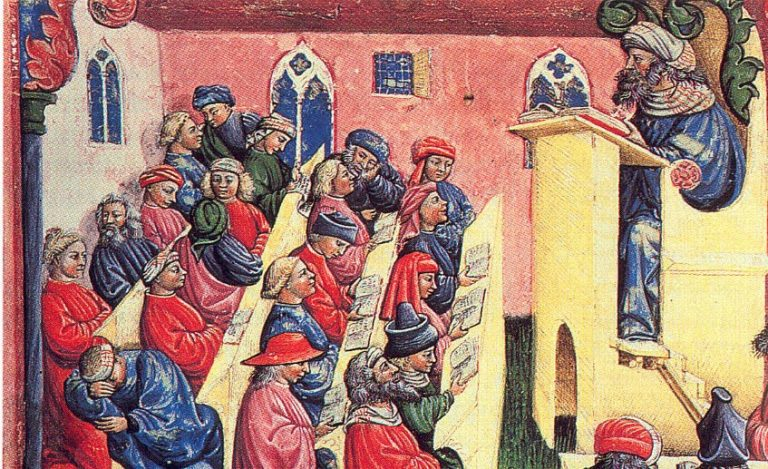
The recent medieval studies conference held at Harvard University marked a momentous occasion for scholars and enthusiasts of the field. For over a century, the Medieval Academy of America has served as a pivotal hub for medievalists seeking to explore the intricacies of this rich historical period. This year, the conference attracted 800 esteemed academics from around the globe, all eager to share their insights on topics ranging from Chaucer’s influence on modern literature to innovative interdisciplinary studies in the arts. The dynamic atmosphere was charged with excitement as participants engaged in workshops, plenary sessions, and stimulating discussions, showcasing the vibrant nature of medieval studies. With a firm foundation built on a century of scholarly exploration, the medieval studies conference continues to inspire future generations of researchers and intellectuals.

The recent gathering dedicated to medieval scholarship at Harvard University provided a significant platform for those immersed in the study of the Middle Ages. This annual event, which showcases a myriad of academic discussions, serves as a sanctuary for experts examining medieval literature, history, and its impact on modern culture. Scholars and students alike engaged deeply with topics surrounding renowned figures like Geoffrey Chaucer and their relevance to contemporary narratives. The engagement in interdisciplinary studies emphasized the evolving nature of this field, highlighting the intersection of literature, art, and history in understanding medieval significance. Such conferences not only foster knowledge sharing but also build a community passionate about the exploration of our shared past.

The Significance of the Medieval Studies Conference at Harvard

In recent years, the Medieval Studies Conference has emerged as a pivotal gathering for scholars in the field, marking a century of growth and change. Bringing together over 800 academics from around the world, this conference creates a dynamic space for sharing research and fostering connections amongst historians, literature experts, and cultural critics. As the world of medieval studies continues to evolve, the annual meeting provides an invaluable platform for interdisciplinary discussions, showcasing the breadth of scholarship that spans various geographical and cultural boundaries.

The importance of the conference is underscored by the diversity of topics presented. From explorations of Chaucer’s influence on modern literature to workshops on medieval pedagogy and global perspectives, attendees engage with subjects that not only highlight medieval history but also connect it to contemporary issues. This intertwining of past and present reflects the growing recognition of medieval studies as a necessary lens for understanding today’s interdisciplinary challenges.

Interdisciplinary Approaches within Medieval Studies

The Medieval Studies Conference serves as a testament to the increasingly interdisciplinary nature of the field. Research presented by scholars, such as García-Oteyza’s assertion of Chaucer’s relevance in modern times, exemplifies how medieval texts resonate with contemporary narratives. This connection invites scholars from different disciplines—such as literature, history, and sociology—to collaborate and innovate new methodologies. By embracing interdisciplinary studies, medievalists can deepen their understanding of the texts and contexts they explore, recognizing the complexity of cultural and historical forces at play.

Moreover, the representation of global contexts at the conference underscores the shift toward a more inclusive understanding of medieval studies. Discussions surrounding trade agreements, cultural exchanges, and the role of women in medieval societies reveal the necessity of examining a wide array of perspectives. As scholars like Elena Shadrina and Emily Sun present their research, they illustrate how medieval studies can benefit from integrating insights from other disciplines, breaking away from traditional literary analysis to embrace a more holistic view of the era.

Innovations in Medieval Scholarship

The Medieval Academy’s annual meeting showcases not only the achievements of established scholars but also the fresh perspectives of emerging researchers. With graduate students like Emily Sun highlighting their findings on notable texts such as ‘Beowulf,’ the conference fosters an environment that encourages innovation in medieval scholarship. Presentations at these academic forums allow early-career researchers to disseminate their work, gain feedback from seasoned professionals, and argue for the relevance of medieval studies in a modern academic landscape.

This spirit of innovation extends beyond research presentation; it fuels discussions that shape future directions in the field. For instance, the emphasis on teaching strategies for the Global Middle Ages invites participants to reconsider how they present medieval history. This forward-thinking approach not only prepares students for more inclusive forms of historiography, but also empowers them to become better educators in the subject, further enriching the dialogue within academic circles.

Chaucer’s Enduring Legacy in Modern Literature

Chaucer’s works have, for centuries, provided scholars with rich material for analysis, and his influence on modern literature cannot be understated. As explored in García-Oteyza’s presentation, the parallels between Chaucer’s concerns about truth and the challenges posed by contemporary digital media evoke a dialogue across generations. This enduring legacy serves as a reminder of how medieval literature can illuminate current societal dilemmas, reinforcing the relevance of medieval studies in discussions of authority and creativity.

The profound impact of Chaucer extends into the contemporary literary scene, as seen through authors like Patricia Lockwood, who echoes similar concerns about narrative authenticity. The exploration of such connections is a fertile ground for academic inquiry, providing medieval scholars with the opportunity to bridge the gap between historical texts and their modern counterparts. This lineage of thought encourages ongoing exploration of how medieval literature continues to shape and challenge contemporary narratives.

Celebrating a Century of Medieval Studies

As the Medieval Academy of America celebrated its centennial, attendees reflected on a transformative journey in the field of medieval studies. Over the past hundred years, the academy has fostered a vibrant community of scholars dedicated to unraveling the complexities of medieval literature and culture. The conference not only marks historical achievements but also serves as a platform for envisioning the future of the discipline, inviting scholars to engage in fruitful collaborations and exchanges.

This celebration is not just about looking back; it also symbolizes a commitment to the evolution and expansion of medieval studies. As scholars from diverse backgrounds come together to share their research, the discussions that arise help to shape the ongoing discourse, ensuring that medieval studies remains a dynamic and relevant field. The insights gained from this year’s conference will undoubtedly propel the discipline forward into the next century.

The Interplay of History and Modern Scholarship

The connection between historical analysis and modern scholarship forms a cornerstone of contemporary medieval studies. Conferences like the one hosted by Harvard allow scholars to journey through history while engaging with present-day narratives. By framing medieval studies within the context of current challenges, researchers are equipped to interpret ancient texts with a fresh lens, making the subject matter accessible to today’s audiences.

Discussions surrounding the implications of stability and instability within medieval society invite parallels to modern-day concerns, such as misinformation and the rapid change in cultural narratives. It is through this interplay of past and present that the study of medieval texts gains urgency, allowing scholars to utilize historical insights to navigate contemporary issues in literature and culture.

Global Perspectives in Medieval Studies

The Medieval Studies Conference emphasizes the importance of incorporating global perspectives within the field. By presenting research that explores the medieval environments of various cultures, scholars recognize the interconnectedness of human experiences across geographical boundaries. Sessions covering topics from the Mediterranean to East Asia provide a broader view of medieval history, fostering a comprehensive understanding of cultural exchanges during this formative period.

This commitment to global perspectives not only enriches research but also broadens the audience for medieval studies. As scholars move beyond Eurocentric narratives, they pay homage to the vast intricacies of medieval life across different regions. This expanded focus ensures that the relevance of medieval studies resonates with scholars and students of diverse backgrounds, paving the way for innovative discussions and collaborations.

Engagement and Networking in Medieval Academia

Conferences like the Medieval Academy of America’s annual meeting are crucial for networking among academics. This vibrant exchange facilitates the sharing of ideas and methodologies, crucial for advancing scholarship in medieval studies. Interactions at these events provide participants not only with valuable feedback on their work but also with opportunities to forge collaborations that can foster future research endeavors.

The sense of community experienced at such gatherings underscores the importance of engagement in academia. Scholars leave not only with new insights but also with a renewed commitment to their research paths, inspired by the enthusiasm and innovative perspectives shared by their peers. The convening of experts from various fields and backgrounds illuminates the multifaceted nature of medieval studies, reflecting its rich and interconnected heritage.

The Role of Women in Medieval Scholarship

The representation of women’s contributions in medieval studies has been gaining traction in recent years, exemplified by presentations at conferences like this year’s Medieval Academy meeting. Scholars such as Emily Sun and others showcase how female perspectives enhance the understanding of medieval texts, contributing to a fuller narrative that encompasses the lived experiences of women in historical contexts. Engaging with texts through this lens invites a reevaluation of known histories and encourages a broader discussion of gender roles during the medieval period.

Furthermore, this inclusion not only enriches academic discourse but also encourages the participation of women in the field. As more female scholars present their work, there is the possibility of inspiring future generations to pursue studies in medieval literature and history. This transformative aspect of contemporary scholarship highlights the ongoing evolution of medieval studies and the importance of diverse voices in shaping its future.

Frequently Asked Questions

What topics are covered at the medieval studies conference?

The medieval studies conference features a diverse array of topics, including interdisciplinary studies that explore the connections between medieval literature, history, and culture. Through workshops, presentations, and plenary addresses, participants engage with subjects like Geoffrey Chaucer’s impact on modern literature and medieval trade agreements, among others.

Who attends the medieval studies conference?

The medieval studies conference is attended by a wide range of academics, including graduate students, established scholars, and professionals from various disciplines. This year, over 800 participants from 23 countries gathered, showcasing the global scope of medieval studies and the growing interest in academic conferences in arts.

How do medieval studies conferences promote interdisciplinary collaboration?

Medieval studies conferences encourage interdisciplinary collaboration by inviting speakers from various fields to present on how medieval topics relate to contemporary issues, such as the relationship between reality and fiction in literature. This creates a productive environment for discussions that transcend traditional boundaries in academia.

What is the significance of the Harvard medieval academy in the field of medieval studies?

The Harvard medieval academy holds significant importance as it serves as a premier destination for medievalists around the world, hosting influential conferences that celebrate the evolution of medieval studies. The academy’s rich history and ongoing contributions to scholarly discourse enhance its status in academic conferences in arts.

How can graduate students benefit from attending a medieval studies conference?

Graduate students can gain invaluable experience by attending medieval studies conferences. These events provide opportunities for networking, presenting research, and engaging with peers and scholarly heroes, all of which can significantly contribute to their academic and professional development in the field.

What role does Chaucer play in discussions at the medieval studies conference?

Chaucer is prominently featured in discussions at the medieval studies conference, particularly regarding his analysis of rumor and authority in works like “The Canterbury Tales”. Scholars explore how his themes resonate with modern literature and societal issues, emphasizing Chaucer’s continued relevance in medieval studies.

What are the key takeaways from the recent Harvard medieval studies conference?

Key takeaways from the recent Harvard medieval studies conference include insights into the interdisciplinary nature of medieval scholarship, discussions on global perspectives in medieval history, and the importance of in-person academic exchanges post-pandemic, highlighting the ongoing evolution of the field.

Key Points
Conference Overview The Medieval Academy of America’s 100th annual meeting hosted in Harvard Yard, welcoming over 800 academics.
Historical Context The conference reflects on a century of development in medieval studies, showcasing its interdisciplinary nature.
Presentations and Workshops 500 speakers across various disciplines presented on topics like medieval trade, literature, and pedagogical approaches.
Cultural Impact Engagement with modern literature, drawing parallels between Chaucer’s work and contemporary narratives about misinformation.
Networking Opportunities Facilitated meaningful interactions among scholars, encouraging the growth of academic relationships post-pandemic.

Summary

The Medieval Studies Conference at Harvard symbolizes a significant moment in the evolution of medieval studies, highlighting 100 years of scholarly advancements and global engagement. This year’s gathering showcased the field’s diversity through interdisciplinary presentations, reinforcing the relevance of medieval scholarship in understanding contemporary issues. As we reflect on this milestone, the future of medieval studies appears bright, promising continued exploration and collaboration within academic circles.

Patricia Lockwood, an innovative voice in contemporary literature, challenges conventional notions about the internet’s role in our lives. In her recent talk at Harvard, she explored how her unique upbringing and writing process inform her literary works, notably her acclaimed novel, “No One Is Talking About This,” which cleverly intertwines the online world with profound personal crises. Lockwood believes that many dismiss internet-related narratives as trivial, a sentiment she passionately contests. Her exploration of themes that resonate with the digital age reflects her keen awareness of how our online personas mirror our real-life selves. Through engaging interviews and discussions, Lockwood continues to inspire readers and aspiring writers, making her a crucial figure in modern literature.

Introducing the multifaceted Patricia Lockwood, this seasoned author and poet engages with themes that encapsulate both the digital and emotional landscapes of our times. Known for her compelling prose and unique insights, Lockwood’s writing reflects a deep understanding of how the internet intertwines with everyday experiences, as seen in her notable works. In discussions about her writing journey, she often reveals the intricacies behind character creation and the impact of her personal life on her narratives. As a figure who navigates both social media and literary criticism with ease, Lockwood’s works serve as a bridge between traditional storytelling and contemporary discourse. Her celebrated novels resonate with audiences, exploring the dynamic interplay between private lives and public personas in an increasingly connected world.

The Intersection of Reality and the Internet in Lockwood’s Work

Patricia Lockwood argues that the internet is inextricably linked to real life, challenging traditional notions of fiction. In her novel “No One Is Talking About This,” she explores how a social media star navigates the complexities of existence when a personal crisis disrupts her online persona. Lockwood’s perspective allows readers to see the internet not merely as a backdrop for modern life but as a core aspect that shapes identity and experience. This unique stance invites deeper discussions about how our online existences reflect, influence, and indeed intertwine with who we are in the physical world.

Lockwood believes that the reluctance to acknowledge the internet’s omnipresence stems from a discomfort with vulnerability. By admitting that our online selves mirror our true identities, we confront the fear of judgement and the complexities of maintaining an image in both realms. The novel’s dismissal as ‘trivial’ reflects societal reluctance to accept that these narratives hold significance. Lockwood’s work serves as a mirror, reflecting the nuanced dance between our online interactions and real-life connections that many are hesitant to embrace.

Patricia Lockwood’s Writing Process and Influence

Lockwood’s writing process is rooted in personal experience and extensive observation. She attributes her keen character development to her unique upbringing in a ‘cloistered’ household. By honing her observational skills in a less-isolated environment, she learned to capture the intricate speech patterns of those around her. This method allows her to distill essence and create vibrant characters that resonate with authenticity, even if she may not fully grasp their motivations. For her, dialogue is paramount; it’s through these interactions that she breathes life into her stories.

Furthermore, her preference for writing in bed or on the couch illustrates the importance of comfort and routine in her creative process. Lockwood’s flexible approach to her environment reflects broader themes in her writing—prioritizing organic experiences over formal structures. She advocates for the joy of writing, whether it’s in a traditional desk setting or a more laid-back arrangement, emphasizing that creativity thrives in comfortable, personal spaces. This adaptability may inspire writers to explore their own environments, discovering what fuels their literary flame.

Long-form Narratives in a Digital Age

Amid growing concerns about readers’ attention spans in the era of micro-content, Patricia Lockwood stands firm on the value of long-form narratives. During her talk, she asserted that novels remain relevant, as they create appetites for deeper storytelling rather than capitulating to fleeting trends driven by digital platforms. Lockwood believes that while attention spans may shift, the hunger for substantial and immersive storytelling endures. Her words give reassurance to writers grappling with the changing landscape, encouraging them to trust in the significance of their work.

In her view, novels can provide solace amidst the chaos of fragmented content consumed online. People often seek out longer narratives to escape brief, attention-grabbing snippets, validating the novel’s capacity to offer rich experiences. This reinforces the argument that while the format of storytelling might evolve with technology, the core desire for connection and comprehension through literature persists. Lockwood’s advocacy for long-form fiction serves as a rallying cry, urging authors to continue crafting complex works that challenge the status quo.

Cultural Critique and Literary Engagement

Lockwood’s approach to literary criticism embodies a rare blend of honesty and insight that resonates with both writers and readers. She emphasizes the significance of engaging critically with literature, asserting that it offers profound insights into diverse perspectives and historical contexts. Her willingness to critique work—whether positive or negative—highlights her dedication to fostering literary discussions that go beyond mere praise. Lockwood feels that treating critique as ‘celestial homework’ enriches her own writing and reinforces the value of deep intellectual engagement.

By demonstrating an ability to connect her critiques to personal experiences, Lockwood weaves her insights into the broader fabric of culture and literature. Her fearless take on reviewing renowned authors like John Updike signals the importance of maintaining authenticity in discussions about literature. Lockwood’s perspective encourages others to adopt a similar approach, merging personal reflection with literary analysis, creating a space where genuine dialogue about both the craft and impact of literature flourishes.

Character Development and Dialogue in Lockwood’s Novels

A hallmark of Lockwood’s novels is her emphasis on character development through nuanced dialogue. She believes that the essence of her characters is revealed not solely through their thoughts but significantly through their speech patterns and interactions. This belief is especially evident in her portrayal of complex figures, such as her father, a multifaceted Navy veteran turned Catholic priest, whose dialogue captures his unique voice and experiences. For Lockwood, the authenticity of dialogue acts as a conduit that allows readers to understand and connect with her characters on a deeper level.

Through the careful reproduction of speech and interpersonal dynamics, Lockwood illustrates the intricate layers of identity and relationship. By focusing on the mannerisms and linguistic quirks of her characters, she creates a vivid tapestry that pulls readers into their world. This method not only enhances character depth but also elevates the overall narrative, ensuring that the dialogue extensively reflects the emotional and thematic undertones of her work. Lockwood’s dedication to capturing the sounds of real-life interactions fundamentally enriches her writing.

Lockwood’s Personal Journey and Literary Freedom

Lockwood’s personal journey as a self-taught writer forms the backdrop of her literary philosophy. Eschewing formal education, she delved into literature independently, exploring classic authors and developing an understanding devoid of academic constraints. This approach has not only liberated her voice but also enhanced her ability to critically engage with a wide array of texts. Freed from the expectations of traditional academic interpretations, Lockwood navigates the literary landscape with a sense of autonomy and creativity that sets her apart.

Her journey underscores the belief that one does not need to follow conventional paths to cultivate a distinctive literary voice. By sharing her experiences, Lockwood inspires aspiring writers to seek knowledge and inspiration outside traditional settings. Emphasizing exploration and engagement over rote learning invites future writers to reimagine their own paths. Ultimately, Lockwood demonstrates how literary freedom can lead to unique perspectives that challenge prevailing narratives in contemporary literature.

The Role of Observation in Lockwood’s Writing

Lockwood’s experiences growing up in a secluded environment have significantly shaped her observational skills, which in turn play a crucial role in her writing. Her childhood, filled with moments of careful observation, allowed her to absorb the idiosyncrasies of human behavior and the subtle nuances of dialogue. This rich tapestry of life experiences informs her narratives, lending them authenticity and depth. By capturing the sights and sounds of her surroundings, Lockwood transforms her personal observations into engaging literature that resonates with readers.

Her practice of noting every detail, from the expressions of those around her to the atmosphere of her surroundings, reflects a writer’s keen eye for the ordinary. Lockwood’s approach encourages aspiring authors to cultivate their own observational skills, emphasizing the importance of being fully present in their environments. These details, simple in nature, can yield profound insights, crafting stories that are both relatable and insightful. Her commitment to observation underscores a fundamental truth about storytelling: each experience holds the potential to become a narrative that connects with broader themes of human existence.

Patricia Lockwood’s Humor and Edge in Writing

Lockwood’s writing is often characterized by a sharp wit and a bold irreverence that captivates audiences. Her humorous take on serious subjects allows her to navigate complex themes with ease, offering readers a refreshing perspective. This balance of humor and gravity empowers her to address poignant issues such as identity, belonging, and the contemporary human experience without losing the reader’s interest. Lockwood’s ability to blend humor into her narratives showcases her versatility, making her work stand out in both literary circles and popular culture.

Moreover, Lockwood’s engagement with social media adds an additional layer to her writing style. Her irreverent social media presence complements her literary voice, proving that humor can bridge the gap between the abstract and the tangible. This unique combination of platforms helps her to communicate with a broader audience, inviting them into her literary world. Lockwood’s dedication to blending humor, insight, and contemporary themes ensures her work remains relatable and accessible, drawing in readers from various backgrounds and experiences.

Adapting to Writing Challenges with Resilience

Lockwood’s ability to adapt her writing process to manage chronic migraines speaks to her resilience as a writer. Despite the challenges posed by her health, she has successfully modified her writing posture and environment to continue producing work. Lockwood’s ability to navigate discomfort while maintaining her creative output reflects her determination to push through obstacles in pursuit of her literary goals. This adaptability serves as a powerful reminder to aspiring writers that perseverance in the face of adversity is crucial in their creative endeavors.

By sharing her experiences, Lockwood highlights the importance of finding solutions that work for individual circumstances, reinforcing that every writer has a unique path. Her approach to creating a comfortable writing environment can inspire others to embrace their quirks and limitations, fostering an understanding that creative processes can be personal and fluid. Lockwood’s story serves as encouragement for writers to remain steadfast in their pursuits, regardless of the challenges they may encounter.

Frequently Asked Questions

What is Patricia Lockwood known for in the literary world?

Patricia Lockwood is renowned for her distinctive voice as a poet and novelist, particularly recognized for her works like “No One Is Talking About This” and the memoir “Priestdaddy.” She explores contemporary themes, notably the complexities of internet culture and personal identity.

How does Patricia Lockwood approach the writing process?

Patricia Lockwood emphasizes capturing dialogue and character interactions to bring her fiction to life. She relies on her observational skills, honed from a cloistered upbringing, to create vivid, intricate characters by focusing on their speech patterns rather than delving into their inner thoughts.

What insights did Patricia Lockwood share during her interview at Harvard?

During her Harvard interview, Patricia Lockwood discussed the significance of recognizing the internet as an integral part of real life. She addressed the challenges of writing about contemporary experiences and how her upbringing influences her writing style and character development.

What themes are prevalent in Patricia Lockwood’s novels?

Patricia Lockwood’s novels often explore themes related to identity, family dynamics, and the impact of technology on human relationships, as illustrated in her acclaimed book, “No One Is Talking About This,” which contrasts online personas with real-life crises.

What is Patricia Lockwood’s educational background and how has it influenced her work?

Though Patricia Lockwood did not attend college, she has pursued independent studies of literature, which she credits for fostering her unique voice and critical thinking skills as a writer. This freedom allowed her to explore various translations and interpretations of classic works.

How does Patricia Lockwood’s upbringing shape her writing?

Patricia Lockwood describes her upbringing as ‘cloistered,’ living in a rectory, which cultivated her observational abilities. She notes that this background contributes to her storytelling, as she cherishes the rare interactions and experiences that inspire her character development.

What is Patricia Lockwood’s perspective on the future of the novel amid micro-content?

Patricia Lockwood believes that the novel can endure despite the prevalence of micro-content, asserting that there are still audiences who appreciate long-form fiction. She encourages writers to resist conforming their work to trends and instead focus on nurturing readers’ appetites for deep, immersive narratives.

How does Patricia Lockwood balance her writing environment?

Patricia Lockwood has adapted her writing space over time, often working in bed or on a couch. Chronic migraines have influenced her ergonomic setup, demonstrating her flexibility in finding comfort during the creative process while maintaining productivity.

What impact does Patricia Lockwood believe literary criticism has on writers?

Patricia Lockwood views literary criticism as a transformative experience, whereby engaging deeply with another writer’s work allows one to momentarily inherit their creative abilities. She believes this practice enhances a writer’s understanding and expression in their own craft.

How has Patricia Lockwood engaged with her audience during discussions about her work?

Patricia Lockwood actively engages with her audience during discussions, sharing insights into her creative process and addressing contemporary issues in literature, like the impact of social media on storytelling and reader engagement.

Key Points Details
Patricia Lockwood’s View on the Internet Lockwood encourages the acknowledgment that online life is a significant part of real life, as reflected in her novel “No One Is Talking About This.” She believes that the discomfort surrounding this recognition often leads to dismissals of internet-themed literature as trivial.
Character Creation Process Lockwood emphasizes the importance of dialogue in character development, believing that capturing speech patterns provides a deeper understanding of the characters without needing to know their internal motivations.
Impact of Upbringing Lockwood’s sheltered childhood, living in a rectory, enhanced her observational skills, allowing her to notice and write about experiences deeply.
Independent Learning Despite not attending college, Lockwood’s self-driven exploration of literature has empowered her as a writer and broadened her understanding of diverse perspectives.
Approach to Literary Criticism Lockwood describes literary criticism as ‘celestial homework,’ allowing her to engage with the thoughts and times of other authors, thereby expanding her own creative abilities.
Novels and Micro-Content She reassures that while micro-content is prevalent, there is still a strong appetite for long-form fiction among readers searching for depth amidst the distractions of modern media.

Summary

Patricia Lockwood provides a compelling argument for recognizing the internet as an integral part of real life during her talk at Harvard. She elegantly combines her personal experiences, literary critiques, and insights into character development, fostering a deeper connection between readers and writers in today’s digital age. Lockwood reminds us that literature, much like the internet, reflects our realities and emotions, inviting us to embrace the complexities of both worlds.

“Severance,” the critically acclaimed Apple TV+ series, has captivated audiences with its unique premise and profound exploration of work-life balance. As the show concluded its second season, fans were left questioning the very nature of identity and free will in a world where one’s consciousness is divided into an office-bound “innie” and a home-based “outie.” This thought-provoking narrative, enhanced by the visionary producer Nicky Weinstock, delves into the complexities of modern existence, striking a chord with viewers everywhere. With its eerie blend of suspense and social commentary, “Severance” challenges us to confront our own dualities in an increasingly fragmented society. As anticipation builds for the next installment, the series continues to resonate as a cultural phenomenon, probing the depths of who we are beyond the workplace.

The television sensation known as “Severance” from Apple TV+ has emerged as a groundbreaking exploration of the inner workings of human identity and the modern workplace. This series cleverly dissects the conflict between professional personas and private lives, inviting viewers to reflect on their relationship with work and existence. With its bold narrative led by innovative figures like Nicky Weinstock, the show raises significant questions about autonomy and personal integrity, transcending conventional storytelling. As the plot unfolds through its first two seasons, it not only entertains but also ignites discussions around the concept of work-life integration and what it truly means to be oneself. Fans eagerly await the unfolding of new storylines that promise to drive deeper into the mysteries of self-perception and societal roles.

Exploring the Themes of Severance

The Apple TV+ show “Severance” captivates audiences by delving deep into the complex themes of identity, autonomy, and the often tumultuous work-life balance. As viewers follow the lives of office workers who have chosen to separate their consciousness into two distinct selves, the show raises questions about how each persona influences our understanding of authenticity, purpose, and the struggle to achieve a cohesive identity. This exploration resonates with many, especially in today’s fast-paced society where the line between personal and professional life is increasingly blurred.

Additionally, the duality of existence depicted in “Severance” echoes the real-life experience of many individuals who juggle different roles and expectations in various environments. The series invites viewers to reflect on their own lives, pondering whether they too feel like “two people” – one version that thrives in the workplace and another that exists in the space of their personal life. This theme beckons us to question how our environments shape our identities and choices, offering a rich backdrop for discussions about free will and self-definition.

Frequently Asked Questions

What is the concept behind Severance on Apple TV?

Severance on Apple TV+ explores a unique concept where employees voluntarily undergo a procedure to separate their work consciousness, the ‘innie,’ from their out-of-work self, the ‘outie.’ This dramatic narrative dives into themes of work-life balance, free will, and identity, showcasing the conflicts faced by the characters as they navigate their dual existences.

When is Severance season 2 coming out on Apple TV?

Severance season 2 was released in early 2025, following the critical acclaim and intense viewer interest generated by the first season. The second season expands on the show’s fascinating premise, delving deeper into the complexities of identity and our relationship with work.

Who is Nicky Weinstock and what role does he play in Severance?

Nicky Weinstock is a producer of the Apple TV+ series Severance. He discovered the project’s original script by Dan Erickson and was instrumental in bringing the concept to life. His experience in Hollywood allowed him to assemble a talented cast and crew, making Severance a standout series that resonates with audiences.

How does Severance address the theme of work-life balance?

Severance poignantly discusses work-life balance by depicting characters who lead divided lives. The show illustrates the tension between their professional and personal identities, prompting viewers to reflect on their own experiences in balancing work responsibilities with the need for personal fulfillment.

What questions does Severance raise about free will and identity?

The show significantly raises questions about free will and identity by exploring the idea that characters have two distinct selves, each unaware of the other. This premise challenges the audience to ponder what it means to be oneself in a world where external pressures dictate behavior and choices.

What can fans expect from future seasons of Severance?

Fans of Severance can anticipate that the upcoming seasons will continue to evolve the show’s central themes. As producer Nicky Weinstock hinted, future installments will diverge from previous formats, expanding the narrative to further explore the intricate relationship between identity and societal expectations.

Key Point Description
Severance Concept The show follows office workers who undergo a procedure that separates their consciousness into ‘innie’ (office persona) and ‘outie’ (outside persona), illustrating themes of identity and work-life balance.
Producer Background Nicky Weinstock, a Harvard alum, co-produces ‘Severance’, emphasizing a global sensibility in storytelling.
Show’s Popularity Despite its unusual premise, ‘Severance’ has resonated widely, paralleling viewers’ complex identities and societal confusion post-COVID.
Season Structure Season 1 was claustrophobic, reflecting isolation, while Season 2 expanded the narrative scope, promising even more development in Season 3.

Summary

The ‘Severance TV show’ explores profound themes of identity and duality in modern life. As the narrative unfolds, it resonates deeply with audiences grappling with their real-life personas. With an innovative concept and a commitment to telling unique stories, ‘Severance’ stands out in today’s television landscape. The ongoing journey of its characters invites viewers to reflect on their own experiences, making it a must-watch for anyone seeking a compelling exploration of the human condition.

hacklink al organik hit 메이저놀이터ganobet giriştrendbet girişcasibomtipobetjojobet girişjojobet giriş tumblrVbetHoliganbetAjaxbetbetcihacklinkhacklinkpusulabetdizipal giriştipobet girişcasibomjojobetjojobet girişjojobet giriş1xbet girişmeritkingmadridbetkingroyaltaraftarium giriştaraftariumcryptobetcryptobet girişmeritkingmeritkingmadridbetholiganbetromabetmavibetcasibomroyalbet girişcasibomcasibomgiftcardmall balance